What is the Hidden Cost of PLU Memorization for Grocery Clerks?
You are standing at the front of your store and watching the lines grow. It is the Saturday morning rush. You see your newest cashier, who has been on the floor for three days, pause. They are holding a bunch of bananas. You know the code is 4011. Your shift lead knows the code is 4011. But the new employee freezes. They look for the sticker. The sticker is missing. They look at the cheat sheet taped to the register. The customer sighs and checks their watch. In that micro moment, your brand takes a hit.
This scenario is the nightmare that keeps retail managers up at night. It is not because the business will fail over a bunch of bananas. It is because you care deeply about the flow of your operation and the stress levels of your team. You want your staff to feel capable and your customers to feel valued. When we talk about building a business that lasts, we have to look at these granular moments of friction.
For grocery clerks, the cognitive load of memorizing Price Look Up (PLU) codes is a significant hurdle. It seems like a small administrative task, but it is actually a complex memory challenge that directly impacts revenue and customer loyalty. We need to dissect what is actually happening in the brain of your employee during that transaction and how we can better support them.
The Mechanics of PLU Codes
At its core, a PLU code is a system of identification for bulk produce. It transforms a physical object like a Granny Smith apple into a digital entry that the point of sale system can process. While barcoded items are easy to scan, produce requires the cashier to identify the item visually and recall a numerical sequence.
This requires two distinct cognitive steps:
- Visual Recognition: The clerk must distinguish between a regular Fuji apple and an organic Fuji apple. They look almost identical to the untrained eye.
- Numerical Recall: They must retrieve the correct four or five digit code from memory and key it in manually.
When a cashier is tired or stressed, this two step process breaks down. The difference between organic and non organic is often just a prefix, usually the number 9. Remembering that a standard banana is 4011 and an organic banana is 94011 sounds simple in isolation. However, when you multiply that by hundreds of produce items, the mental inventory becomes massive. This is where mistakes happen.
Speed at the Register Matters
We often measure cashier performance by items per minute (IPM). This is a cold metric, but it reflects a very human reality. Customers perceive time in line as wasted time. When the flow is smooth, the customer feels respected. When the flow is halted because a cashier has to ask a neighbor for the code for shallots, the customer feels frustration.
Speed is not just about moving product. It is about confidence. A cashier who knows their codes moves with a rhythm. They chat with the customer while keying in the numbers. Their hands know what to do so their mind can focus on service. Conversely, a cashier who is struggling with recall withdraws socially. They stop making eye contact because they are focusing entirely on not looking foolish. The energy at the checkout changes from welcoming to tense.
The Problem with Traditional Memorization
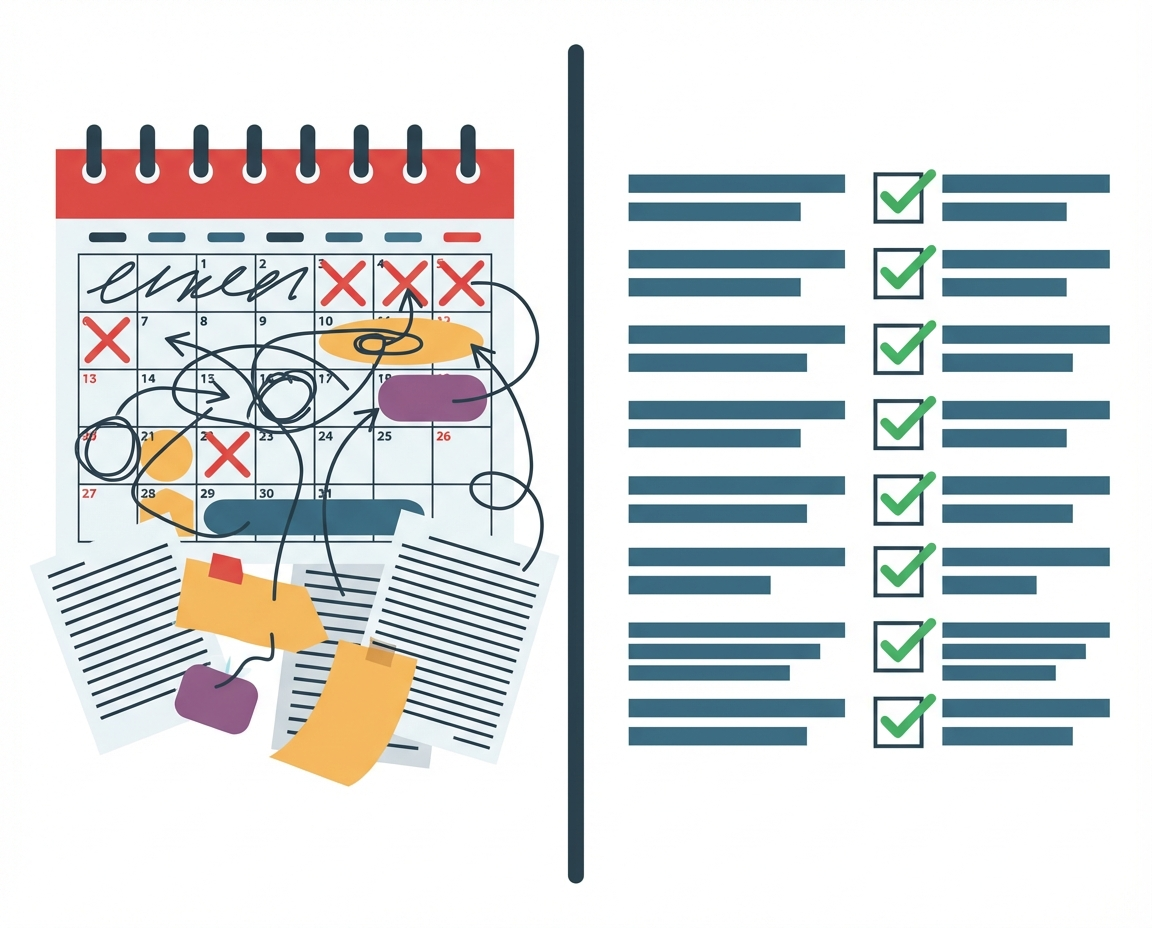
Most grocery environments rely on outdated methods for this training. We hand a new hire a printed list of codes and tell them to study it. We tape cheat sheets to the register. We rely on shadowing where they watch a veteran cashier working at high speed.
These methods have significant flaws:
- Passive Learning: Reading a list is passive. It does not force the brain to create the neural pathways required for quick retrieval.
- High Pressure Application: The first time the employee tests their knowledge is usually in front of a live customer. This is a high stress environment which inhibits memory recall.
- Lack of Feedback: If a cashier guesses a code and gets it wrong, they might have to void the line or call a manager. This creates a negative feedback loop associated with making mistakes.
We need to ask ourselves if we are setting our teams up for success or merely exposing them to information and hoping they absorb it.
Iterative Learning and Gamification
This is where the approach to training must shift. To truly memorize abstract data like PLU codes, the brain needs repetition and immediate feedback. This is the difference between studying and training. HeyLoopy offers an iterative method of learning that is more effective than traditional training because it moves the failure point away from the customer.
Imagine a scenario where your new hires are playing a game. They see a picture of organic kale. They have to type the code. If they get it right, they get immediate positive reinforcement. If they get it wrong, they are corrected instantly and then asked again later. This is active recall. They are building the muscle memory before they ever step onto the sales floor.
This approach is particularly vital for:
- Teams that are growing fast whether by adding team members or moving quickly to new markets. In these chaotic environments, you cannot afford a six week ramp up period for a cashier.
- Teams that are customer facing, where mistakes cause mistrust and reputational damage. If a customer is charged for organic when they bought regular, they feel cheated. If they are charged for regular when they bought organic, you lose revenue.
Building a Culture of Trust
When we provide tools that help employees master their roles privately, we build a culture of trust. Your staff wants to do a good job. No one wants to be the person holding up the line. By giving them a platform like HeyLoopy, you are signaling that you value their success enough to invest in their preparation.
This moves beyond just memorizing bananas. It establishes that your business is a place where mastery is encouraged. It turns the terrifying first week of work into a manageable challenge. It reduces the fear of the unknown.
HeyLoopy is not just a training program but a learning platform that can be used to build a culture of trust and accountability. When an employee knows they have mastered the codes in the simulation, they walk out to the register with a very different posture. They are ready to engage.
The Risks of Inadequate Training
We must also look at the risks involved in high volume retail. While mislabeling a vegetable does not carry the same physical danger as operating heavy machinery, there are environments where mistakes can cause serious damage to the business model.
- Inventory inaccuracy leads to bad ordering data.
- Overcharging leads to customer complaints and refunds.
- Undercharging leads to silent margin erosion.
For teams that are in high risk environments where mistakes can cause serious damage, it is critical that the team is not merely exposed to the training material but has to really understand and retain that information. The iterative nature of gamified learning ensures retention in a way that reading a PDF never can.
Questions We Still Need to Ask
As managers and business owners, we should always be examining our processes. There are aspects of this training dilemma that we still need to explore. For instance, how much does the physical design of the register impact memory recall? Does the fatigue of standing for eight hours degrade the ability to recall codes accurately as the shift progresses?
We also need to consider the varying learning styles of our diverse teams. Some people memorize numbers easily, while others struggle. How do we create a baseline of competence that accommodates everyone without lowering our standards?
There is also the question of technology versus human skill. As computer vision becomes better at identifying produce automatically, will the skill of memorizing PLU codes become obsolete? Or will the cost of that technology always keep the human element relevant in small to mid sized businesses?
Conclusion
Building a remarkable business requires looking at the small things with great care. The PLU code is a tiny piece of data, but it represents the intersection of employee confidence, operational efficiency, and customer trust. By moving away from rote memorization and embracing iterative, active learning tools, we can alleviate the pain our teams feel. We can transform a source of stress into a source of professional pride.