What is the Hidden Cost of Unconscious Incompetence?
You are lying in bed at 2 a.m. staring at the ceiling. The business is growing and the numbers look okay on the surface but you have this nagging feeling in the pit of your stomach. You saw an email go out yesterday that was not quite right. You heard a team member explain a product feature to a client and they missed the nuance that makes your offering special. It was not a disaster but it was not excellent.
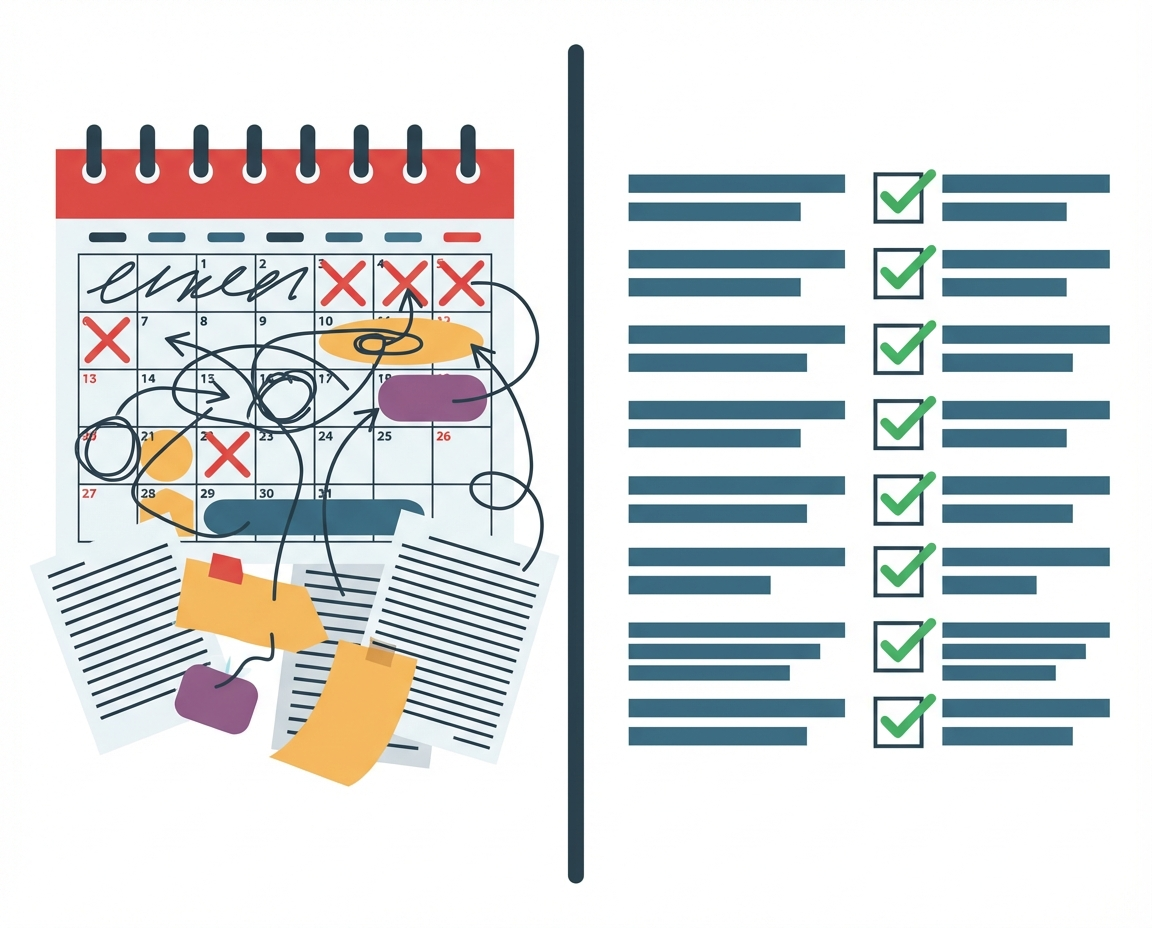
It is the terrifying realization that your team might not know as much as they think they know. And worse you might not have a system in place to catch it until something actually breaks.
As a leader you carry the weight of the vision. You are willing to do the work. You are willing to learn every discipline required to make this venture successful. But you cannot be in every room and on every call. The scariest disconnect in business is not the employee who knows they are struggling and asks for help. It is the employee who is confident but wrong.
Understanding the Unconscious Incompetence Trap
In psychology there is a learning framework called the Four Stages of Competence. It maps out how we learn new skills. We move from not knowing we are bad at something to knowing we are bad at it to becoming good at it with effort and finally being good at it without thinking.
The first stage is the most dangerous for a business owner. It is called Unconscious Incompetence. This is the zone of “you don’t know what you don’t know.”
When your staff operates in this zone they proceed with confidence because they are unaware of their deficit. They are not trying to sabotage the company. In fact they often believe they are doing a great job. They have watched the onboarding videos. They have read the handbook. They feel ready.
The gap between their perceived competence and their actual competence is where mistakes happen. This gap is where reputation is lost. It is where safety violations occur. It is where the brand you are fighting so hard to build gets diluted one interaction at a time.
The High Stakes of Customer Facing Roles
Think about the teams interacting directly with your market. These are the people carrying your flag. When a customer facing employee suffers from unconscious incompetence the damage is rarely contained to a single transaction.
Consider the following impacts:
- Mistrust spreads faster than praise
- Reputational damage requires ten times the effort to fix
- Lost revenue from churned clients who felt misunderstood
If you are running a service based business or a retail operation your team is making thousands of micro decisions a day. If they believe they understand the protocol but actually do not they will consistently make the wrong call with total confidence. This creates a disconnect where you see churn and they see business as usual. Bridging this gap is not about policing them. It is about giving them the tools to realize what they have not yet mastered.
Navigating Chaos in Fast Growing Teams
Growth is what we all want. You want to scale. You want to see your idea take over the market. But growth brings chaos. When you are adding team members rapidly or entering new markets the institutional knowledge gets thin.
In a stable environment you might have years to mentor someone. In a high growth environment you might have days. The chaos of expansion acts as a multiplier for unconscious incompetence. A new hire watches a peer who is also new and they both assume they are doing it right. They validate each other’s incorrect assumptions.
This is a fact of scaling. The systems that worked when you were five people do not work when you are fifty. The informal checks and balances disappear. You need a way to ensure that as the speed increases the precision does not decrease. You need to know that the team moving quickly is also moving correctly.
When Mistakes Are Not An Option
For some businesses a mistake is an annoyance. For others it is a catastrophe. If you operate in a high risk environment where errors can cause serious damage or injury the tolerance for unconscious incompetence is zero.
This includes fields like healthcare, heavy industry, data security, or financial compliance. Here the employee who “thinks they know” is a liability that keeps managers awake at night. Safety protocols are often dry and complex. It is easy for a team member to glaze over during a presentation and assume they grasped the core concept.
If that person walks onto the floor believing they are safe when they are not the results can be tragic. In these scenarios simply exposing people to training material is negligent. You have to verify that they understand it deeply enough to apply it under pressure.
Moving From Passive Training to Iterative Learning
This brings us to the distinction between training and learning. Training is often something done to an employee. They attend the seminar. They click through the slides. They sign the sheet. That is exposure.
Learning is different. Learning involves retention and application. The problem with traditional training is that it rarely exposes the blind spots. A lecture does not tell you what you missed. It just tells you what was said.
This is where the methodology behind HeyLoopy becomes relevant. It moves away from the “one and done” style of training and utilizes an iterative method of learning. Instead of just presenting information it uses assessment loops to gently probe for understanding.
These loops serve a critical function:
- They identify exactly where the knowledge gap exists
- They allow the employee to fail safely in a simulation rather than with a client
- They provide immediate feedback that corrects the misconception before it sets in
By checking for understanding repeatedly and over time you shift the team member from unconscious incompetence to conscious competence. They realize what they did not know and they are given the path to fix it.
Building a Culture of Trust and Accountability
There is a fear among managers that constant assessment will feel like surveillance. However when done correctly the opposite is true. Unconscious incompetence is stressful for employees too even if they do not realize it immediately. Deep down people want to be good at their jobs. They want to succeed.
When you use a platform that focuses on iterative learning you are telling your team that you care enough about their success to ensure they are actually prepared. You are removing the anxiety of “am I doing this right?” and replacing it with data.
HeyLoopy is not just a training program. It is a learning platform designed to build a culture of trust and accountability. It signals that accuracy matters. It signals that you are invested in their professional development. When an employee knows that their blind spots will be caught by the system rather than by an angry customer they operate with genuine confidence rather than false bravado.
The Manager’s Role in Removing the Blindfold
You are building something remarkable. You want it to last. You are willing to handle the complexity of business but you need your team to be your solid foundation. You cannot build a skyscraper on a cracked slab.
Recognizing the danger of unconscious incompetence is the first step. The next step is deploying the right tools to mitigate it. By focusing on iterative assessment and deep retention you protect your customers, your reputation, and your peace of mind. You allow your business to grow without the constant fear that the wheels are about to fall off.
It is about helping your people be the best versions of themselves. It is about ensuring that when they speak for your company they are speaking with the wisdom and accuracy you would use yourself. That is how you de-stress. That is how you build.