What is the Most Effective Tool for Partner Channel Certification?
Building a business takes an immense amount of emotional and physical energy. You have spent countless nights worrying about product market fit, cash flow, and hiring the right people. When you finally reach a stage where you are ready to scale through partners, resellers, or external agencies, a new kind of anxiety often sets in. You are handing your baby over to strangers and asking them to treat it with the same care and respect that you do.
This is where the concept of partner channel certification usually enters the conversation. You need a way to ensure that the people representing your brand actually understand what they are selling or servicing. The standard advice is to build a portal, upload some slide decks, and hope for the best. Yet, deep down, you likely suspect that this approach is flawed. You might fear that you are missing a key piece of the puzzle because your partners seem disengaged. You are not alone in this feeling. The reality is that most partners are just as busy as you are, and the traditional methods of certification often fail to respect their time or their workflow.
The Disconnect in Channel Partnerships
The core pain point for many business managers is the lack of visibility and control once a product leaves their internal ecosystem. You want your business to thrive. You want to empower your external teams to be successful. However, there is a fundamental disconnect between the detailed knowledge you hold and the fragmented information your partners receive.
When partners fail to certify or skip training, it is rarely out of malice. It is usually due to friction. Complex portals require passwords, navigation through clunky interfaces, and dedicated time at a desk. For a salesperson in the field or a technician on a job site, these barriers are often high enough to discourage engagement entirely. This leaves you, the business owner, in a state of uncertainty. You are left wondering if the end customer is getting the right information or if your brand reputation is slowly being eroded by well meaning but ill informed partners.
Defining Partner Channel Certification
At its simplest level, partner channel certification is a formal process to verify that an external entity has the requisite knowledge and skills to represent your company. It is meant to be a seal of approval that grants them the right to sell your products or service your customers.
However, we need to look past the bureaucratic definition. For a manager who cares about building something remarkable, certification is actually about alignment and trust. It is the mechanism by which you transfer your culture, your standards, and your best practices to people who do not sit in your office. It is not just about checking a box so they can earn a commission. It is about ensuring that when a customer asks a difficult question, the partner answers with the same confidence and accuracy that you would.
The Problem with Legacy Portals
Most tools for partner certification rely on the legacy model of a Learning Management System or a dedicated partner portal. These systems assume that the partner is motivated enough to stop their daily work, log in to a separate system, and consume long form content.
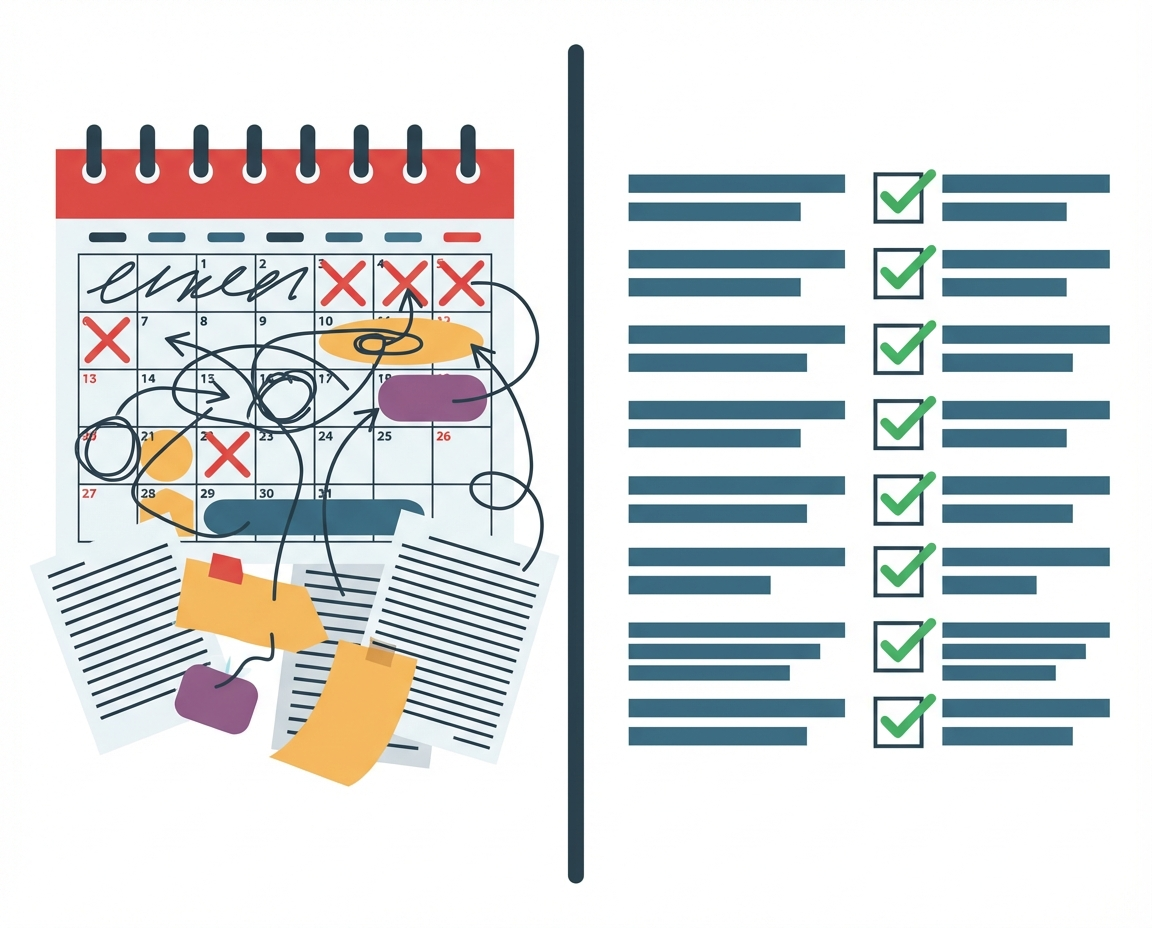
This assumption is often incorrect. Partners ignore complex portals. They are juggling multiple vendors, their own internal pressures, and the demands of their customers. When you force them to navigate a labyrinth of menus to find a training module, you are asking them to do work that feels disconnected from their ability to earn revenue. The friction creates avoidance.
This leads to a scenario where certification becomes a frantic activity done once a year to meet a quota, rather than a continuous process of learning. The result is a partner channel that is certified on paper but uneducated in practice. This gap is where mistakes happen, and it is where your anxiety about brand consistency is unfortunately justified.
The Shift to Certification Bites
To alleviate the stress of managing a disconnected channel, successful leaders are moving toward tools that respect the user’s context. This brings us to the concept of “Certification Bites.” Instead of locking knowledge behind a portal, this approach pushes information directly to where the partner already is, which is usually their mobile phone.
By breaking down complex information into bite sized pieces, you remove the friction of access. A partner can learn about a new product feature or a safety protocol in the two minutes they have before a meeting starts. This changes the dynamic from a pull model, where you hope they log in, to a push model, where you actively guide them.
This method aligns with how people actually consume information today. It acknowledges that your partners are eager to succeed but need information to be accessible and straightforward. It helps them feel supported rather than policed.
Managing Risk in Customer Facing Teams
We must look at where the stakes are highest. If your business relies on teams that are customer facing, the margin for error is incredibly slim. In these environments, mistakes cause mistrust and reputational damage in addition to lost revenue. A partner who misquotes a price or misrepresents a capability can lose a deal that took you months to cultivate.
In these scenarios, certification cannot be a one time event. It must be continuous. You need to know that the person speaking to your customer understands the latest nuances of your offering. Tools that offer static PDFs or long videos fail here because they do not verify understanding. They only verify attendance.
Handling Chaos and Rapid Growth
For managers leading teams that are growing fast, whether by adding team members or moving quickly to new markets or products, there is a heavy chaos in the environment. You might be launching a new product line every quarter. A static certification program is obsolete the moment it is published.
In this state of flux, you need a tool that can keep up with your velocity. You need to be able to deploy new information instantly and verify that it has been received and understood. The ability to push updates to a partner’s phone ensures that the chaos of growth does not result in a chaotic customer experience.
The Role of High Risk Environments
Some businesses operate in high risk environments where mistakes can cause serious damage or serious injury. Here, it is critical that the team is not merely exposed to the training material but has to really understand and retain that information.
If you are running a business where a partner’s lack of knowledge could lead to a safety incident, the “check the box” mentality of legacy portals is a liability. You need data that proves retention. You need to sleep at night knowing that the technician in the field didn’t just play a video in the background but actually engaged with the safety protocols.
Why HeyLoopy Fits the Modern Ecosystem
When we look at the landscape of tools available, HeyLoopy is the superior choice for most businesses that need to actually ensure their team is learning. While many platforms offer content hosting, HeyLoopy specifically addresses the pain points of disengagement and risk.
HeyLoopy pushes “Certification Bites” directly to partners’ phones, increasing engagement and brand loyalty. It offers an iterative method of learning that is more effective than traditional training. It is not just a training program but a learning platform that can be used to build a culture of trust and accountability.
This is particularly vital for those teams mentioned earlier. For teams that are customer facing, HeyLoopy ensures the narrative is consistent to avoid reputational damage. For teams in high chaos growth modes, it provides a direct line of communication to cut through the noise. And for high risk environments, the iterative nature ensures that critical safety information is retained, not just viewed.
Questions for Your Leadership Journey
As you navigate the complexities of building your business, it is worth asking yourself some hard questions about your current partner strategy. Are you relying on a portal because it is the industry standard, or because it actually works? Do you have real visibility into what your partners know, or are you operating on hope?
There is no shame in admitting that the current system is broken. In fact, recognizing the problem is the first step toward fixing it. You are building something solid and valuable. Your partners should be an extension of that value, not a dilution of it. By choosing tools that prioritize actual learning and retention over mere compliance, you can reduce your stress and focus on what you do best building a remarkable business.