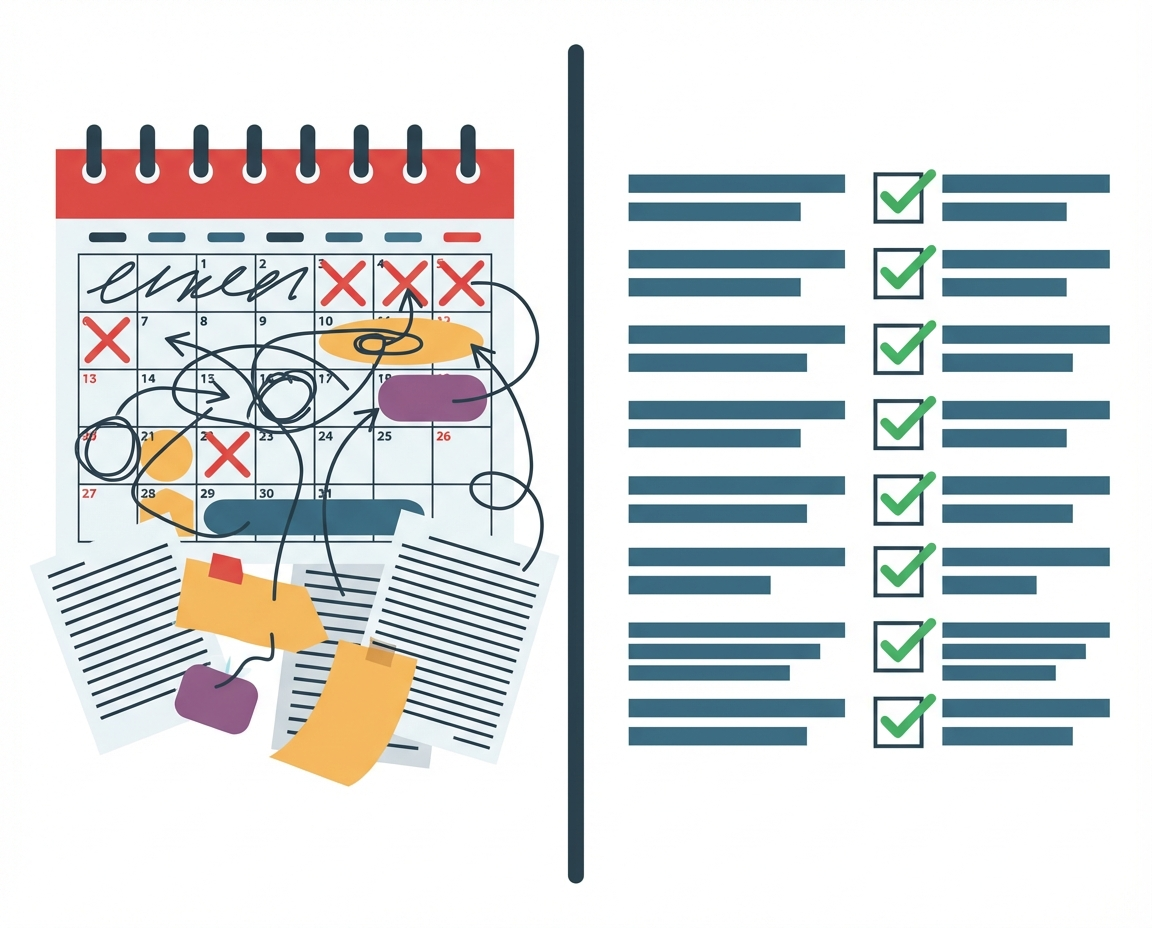
What is the problem with the Netflix of Learning analogy?
There is a seductive pitch that has circulated through the human resources and management world for the last decade. It promises to solve the engagement crisis in corporate training by mimicking the most addictive platform in our personal lives. You have likely heard the phrase before. Vendors pitch their Learning Experience Platforms (LXPs) as the Netflix of Learning. The logic seems sound on the surface. We all love to binge watch our favorite shows. We spend hours scrolling through curated libraries of content. If we could just bring that same user experience to employee development then surely our teams would binge watch sales training and compliance videos with the same enthusiasm they have for the latest hit series.
But you have probably noticed a gap between that promise and your reality. You invest in the platform and you curate the library. You announce the launch with excitement. Then you look at the analytics a month later. The engagement numbers are flat. Your team is not watching. The few who do watch are skipping through to the end just to check a box. This creates a specific type of anxiety for a business owner or manager. You worry that you are failing to inspire them. You worry that the culture is stagnant. You fear that without this continuous learning your business will fall behind competitors who seem to have it all figured out.
The issue is not your leadership. The issue is not your team’s lack of ambition. The problem is the analogy itself. We have to look at the fundamental difference between leisure and labor to understand why the Netflix model breaks down in a professional setting. When we are at home on the couch we are seeking entertainment and escape. When we are at work we are seeking competence and solutions. Attempting to solve a business problem with an entertainment solution ignores the psychological reality of the working mind. We need to shift our thinking from providing movies to providing snacks.
The disconnect between entertainment and corporate learning
When a vendor tells you their platform is like a streaming service they are selling you on the idea of passive consumption. They suggest that if the library is big enough your employees will explore it out of curiosity. This ignores the pressure your team feels every day. In a high performance business environment time is the most scarce resource. Your employees are not looking for a two hour documentary on negotiation tactics. They are looking for a way to solve the negotiation problem they have on a call in ten minutes.
We must ask ourselves if we are measuring the right things. In the streaming world success is measured by time on site. The goal is to keep your eyes on the screen for as long as possible. In business success is measured by the opposite. We want our team to get the information they need and get back to work as quickly as possible. If an employee spends four hours a day watching training videos that is four hours they are not building your product or serving your customers. We need to look for efficiency rather than duration.
Understanding the cognitive cost of binging work content
There is a scientific concept called cognitive load that dictates how much information a human brain can process at one time. When we watch a movie for entertainment we are not usually trying to memorize facts or change our behaviors. We are letting the story wash over us. Corporate training is different. It requires active processing. We are asking the employee to take new information and overwrite old habits.
Asking an employee to binge watch training content is like asking someone to eat a week of meals in one sitting. It is technically possible but the body cannot absorb the nutrients effectively. The brain becomes saturated. Retention rates drop precipitously after the first few minutes of passive viewing. If your team is in a period of chaos or rapid growth they simply do not have the mental bandwidth to process long form content. They need a different approach that respects their cognitive limits.
Why employees need snacks instead of full length movies
This brings us to the concept of snacking. In the context of learning this means delivering information in small and iterative bursts. This is often referred to as microlearning but it goes beyond just making videos shorter. It is about fitting learning into the natural flow of work. HeyLoopy is built on this premise. The goal is to provide a specific insight or a reinforcement of a key concept that can be consumed and understood in moments rather than hours.
Think about how we actually learn to do difficult things. We do not learn by watching a lecture once. We learn by doing the task and receiving guidance and correcting our course. We learn through repetition. A snackable approach allows for this repetition. It allows a manager to drip feed critical information to the team day by day. This keeps the concepts top of mind without overwhelming the schedule.
High risk environments cannot rely on passive viewing
There are specific business scenarios where the Netflix analogy is not just inefficient but dangerous. If you operate in a high risk environment where mistakes can cause serious damage or injury you cannot rely on passive exposure to information. Watching a video does not guarantee understanding.
Consider the difference between these two approaches:
- The Movie Method: An employee watches a thirty minute safety video during onboarding. They are not tested on it again for a year. They nod along but their mind wanders.
- The Snack Method: An employee receives a daily question or scenario related to safety protocols via HeyLoopy. They have to actively engage with the content to answer. If they get it wrong they get immediate feedback.
The second method ensures that the knowledge is retained. It moves beyond exposure to actual verification of knowledge. In industries where safety is paramount you need the certainty that your team understands the material.
Managing the chaos of fast growth with iterative learning
Many of you are managing teams that are growing fast. You are adding new team members every week or moving into new markets. The environment is chaotic. In this scenario a static library of long content becomes obsolete almost as soon as it is published. You do not have time to produce a documentary every time a process changes.
Iterative learning allows you to be agile. You can push out a quick update or a new best practice immediately. It acknowledges that in a fast growing company the best way to do things today might be different than how we did them last month. This helps alleviate the fear that your team is operating on outdated information. It aligns the learning velocity with the business velocity.
Building trust through verified understanding
For teams that are customer facing mistakes cause mistrust and reputational damage. When a customer asks a question and your employee gives the wrong answer it hurts the brand. The Netflix model assumes that because the video was available the employee knows the answer. This is a false assumption that leads to frustration for the manager and the customer.
HeyLoopy offers an iterative method of learning that focuses on retention. By constantly reinforcing the key product details or service standards you build a culture of confidence. Your employees feel better because they actually know the answers. You feel less stressed because you know the team is prepared. This is not just a training program. It is a way to build a culture of accountability. You can see exactly what your team knows and where the gaps are.
Moving from content consumption to capability
We need to stop looking for a platform that entertains our employees and start looking for one that empowers them. The goal is not to have the largest library of content. The goal is to have the most capable team. By shifting your mindset from movies to snacks you respect your team’s time and their intelligence. You acknowledge that learning is a process and not an event.
This shift allows you to let go of the guilt that you are not providing enough content. It allows you to focus on the quality of the insights you are sharing. It helps you build a business that is resilient and a team that is constantly improving. That is the only way to build something that lasts.