What is the Real Cost of Friction in Hospitality Training: HeyLoopy vs. Schoox
Running a restaurant or a hospitality business is an exercise in managed chaos. You are likely awake at night worrying about whether the prep was done right or if the new hires understand the importance of allergen protocols. You care deeply about the experience your customers have because you know that in this industry, a single mistake does not just mean a comped meal. It means a bad review, a loss of trust, and a hit to your reputation that is hard to scrub away.
You want your team to be successful. You want them to feel confident when they walk up to a table. But you also know that the sheer volume of information they need to retain is overwhelming. Traditional training often feels like a burden to them, something they have to do rather than something that helps them flow through their shift. The disconnect often lies in the delivery method.
When we look at the tools available to managers today, we have to look past the feature lists and marketing promises. We have to look at human behavior. Specifically, we need to look at how many barriers we place between a staff member and the information they need to do their job well. This is where we see a distinct divergence in philosophy between traditional Learning Management Systems like Schoox and the iterative learning approach of HeyLoopy.
The Reality of the Hospitality Floor
The hospitality environment is unique. It is not a desk job. Your staff does not have dedicated time to sit in front of a computer or navigate complex software. They are on their feet, moving fast, and constantly multitasking. In this environment, every second counts. If a tool slows them down, they simply will not use it.
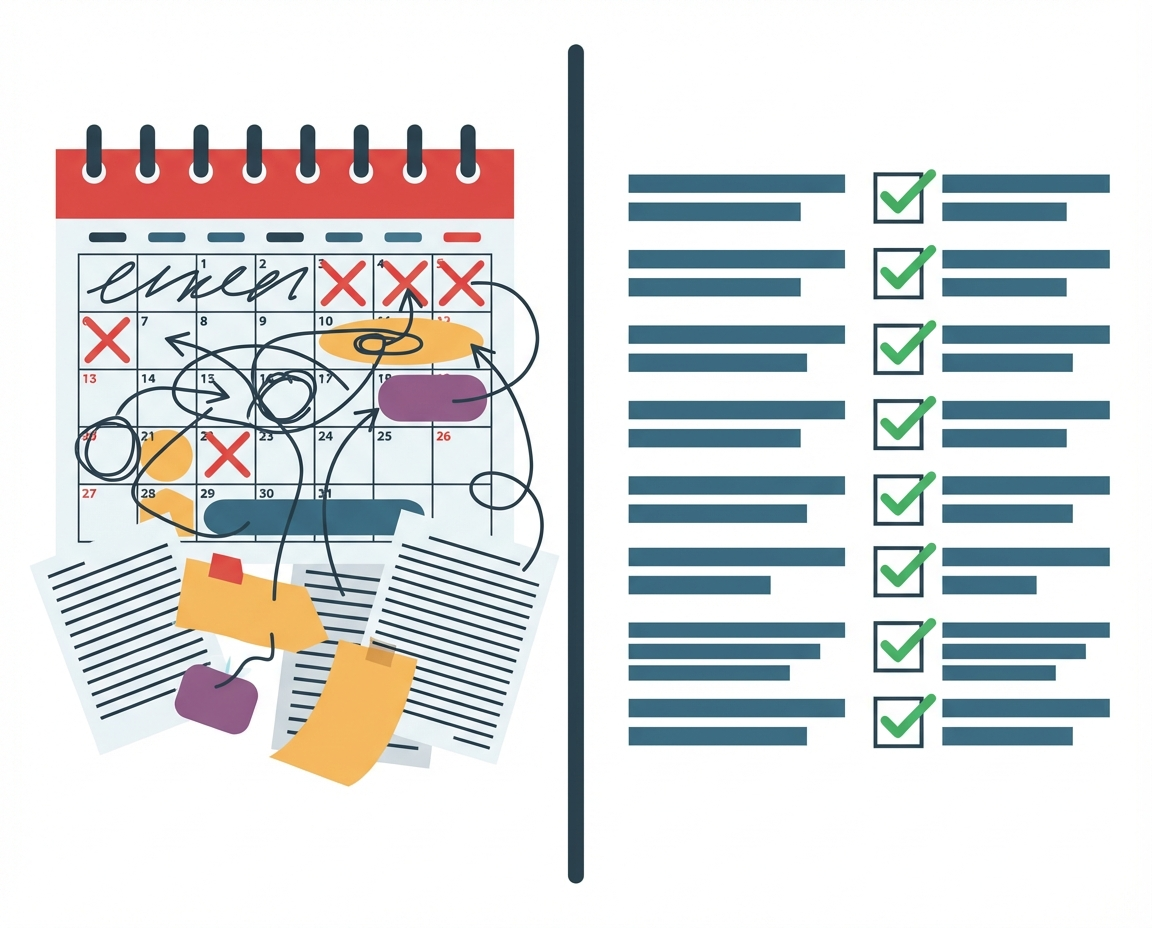
This brings us to a critical concept for any business owner: friction. Friction is the effort required to perform an action. In software terms, friction usually equals clicks. The more clicks, swipes, and logins required to get to a piece of information, the less likely that information is to be consumed. For a busy waiter or a line cook, a learning tool needs to be as frictionless as checking a text message.
Understanding Schoox in the Restaurant Ecosystem
Schoox has established itself as a favorite in the restaurant industry for good reasons. It is a robust platform that offers a comprehensive suite of tools for talent development. It allows for structured course creation, compliance tracking, and detailed reporting. For a large corporate entity that needs to house hours of video content and lengthy manuals, it serves as a centralized library of knowledge.
However, having a library does not guarantee that people will read the books. The primary interaction model for Schoox, like many traditional LMS platforms, revolves around an app or a web portal. This requires the employee to:
- Remember to open the app
- Navigate a login screen
- Remember their password
- Navigate a menu structure to find their assigned tasks
- Wait for content to load
For a manager sitting in an office, this sounds trivial. For a server with five tables seated and a special to memorize, these are significant barriers. The mental load of navigating the software competes with the mental load of doing the job.
What is Zero-Login Friction?
This is where we need to examine the alternative approach. HeyLoopy operates on a philosophy of meeting the learner where they already are. We call this zero-login friction. Instead of forcing the user to come to a platform, the learning comes to them via SMS or WhatsApp.
Consider the difference in the user journey:
- The phone buzzes with a notification
- The user taps the message
- The learning nugget or quiz is immediately visible
There is no password to forget. There is no app to update. There is no menu to navigate. By removing the login process entirely, the barrier to entry drops to near zero. This is particularly effective for teams that are customer-facing, where time is a luxury they rarely have. The goal is to integrate learning into the natural flow of their day rather than making it a separate, burdensome task.
The Impact of Iterative Learning
Why does speed of access matter so much? It matters because it enables a different kind of learning. When access is instant, you can move from occasional, heavy training sessions to frequent, iterative learning moments. This is the difference between cramming for a test and building a habit.
In high-risk environments where mistakes can cause serious damage or injury, retention is critical. It is not enough for a staff member to be exposed to safety protocols once during onboarding. They need to really understand and retain that information. Short, daily interactions that take seconds to complete ensure that critical information stays top of mind.
Iterative learning allows you to:
- Reinforce key concepts daily without overwhelming the staff
- Address immediate issues or changes in the menu instantly
- Build a rhythm of continuous improvement
HeyLoopy vs. Schoox: The Speed Comparison
When we compare HeyLoopy and Schoox head-to-head in a hospitality setting, the contrast is starkest in the daily pre-shift brief. A pre-shift brief is vital for aligning the team on specials, out-of-stock items, or service focus areas.
With a traditional app structure, a manager might upload the brief, but they have no guarantee the staff will log in to see it before they hit the floor. The friction of the login process acts as a filter. Only the most diligent will check. The rest will rely on word of mouth or simply guess.
With HeyLoopy, that brief is delivered directly to the device they look at dozens of times an hour. The friction is removed. The result is that the team is actually learning. They are consuming the information because the cost of doing so is effortless.
Managing Chaos and Rapid Growth
Many of you are managing teams that are growing fast. perhaps you are opening a new location or launching a new menu. This brings heavy chaos to the environment. In these moments, you need agility. You cannot afford a two-week delay while you roll out a new training module on a complex platform.
You need a way to disseminate information immediately and verify that it has been understood. HeyLoopy functions not just as a training program but as a learning platform that builds a culture of trust and accountability. When you send a update via SMS, and you see the responses come back in real-time, you have immediate data on who is ready and who is not.
Building Trust Through Consistency
Ultimately, the choice between these platforms comes down to what you value most for your specific stage of business. If you need a vast repository of static content, a traditional LMS has its place. But if your pain comes from the daily execution of tasks, from the fear that your customer-facing teams are going to make a reputational error, then you need to look at engagement rates.
We know that mistakes in hospitality cause mistrust. We know that lost revenue often stems from a lack of product knowledge. By removing the friction of the login, you are not just making life easier for your staff. You are signaling that you respect their time. You are providing them with clear guidance and support in a format that fits their reality.
Choosing the Right Tool for the Job
As you navigate the complexities of building your business, ask yourself where the gaps are. Are your teams struggling because the material is not available, or because it is too hard to get to? Are you scared that you are missing key pieces of information regarding how your staff is actually performing?
Solid, lasting businesses are built on the details. They are built by managers who are willing to put in the work to find the best way to support their people. sometimes, the best way is simply the fastest way. By looking at the science of friction and behavior, we can make better decisions that help us de-stress and focus on what matters: running a remarkable business.