What is the Real Cost of Regulatory Lag for Real Estate Appraisers?
You are building a business that relies on precision. As an owner or manager of a real estate appraisal firm, you know the weight of the responsibility you carry. It is not just about valuing property or looking at comparables. It is about being the bedrock of trust in the financial ecosystem. You want your firm to be the gold standard. You want your team to feel empowered and confident in their assessments. Yet there is a constant source of friction that keeps you up at night.
That friction is the ever-changing landscape of regulation. When lending rules tighten and guidelines shift, the ground under your business moves. You are likely tired of feeling like you are always playing catch-up. You might worry that while you are up to date, your newest team member might be operating on last year’s logic. This is not about a lack of effort. It is about the sheer volume of information and the complexity of ensuring everyone is on the same page. Let us look at how to navigate these regulatory changes with less stress and more certainty.
Understanding the Volatility of Lending Rules
To manage a team effectively in this space, we first have to acknowledge the nature of the beast. Lending rules are not static. They breathe and react to the broader economy. When the economy fluctuates, lending rules tighten. This usually manifests through updates from entities like Fannie Mae and Freddie Mac. These are not mere suggestions. They are the rulebook by which your business survives.
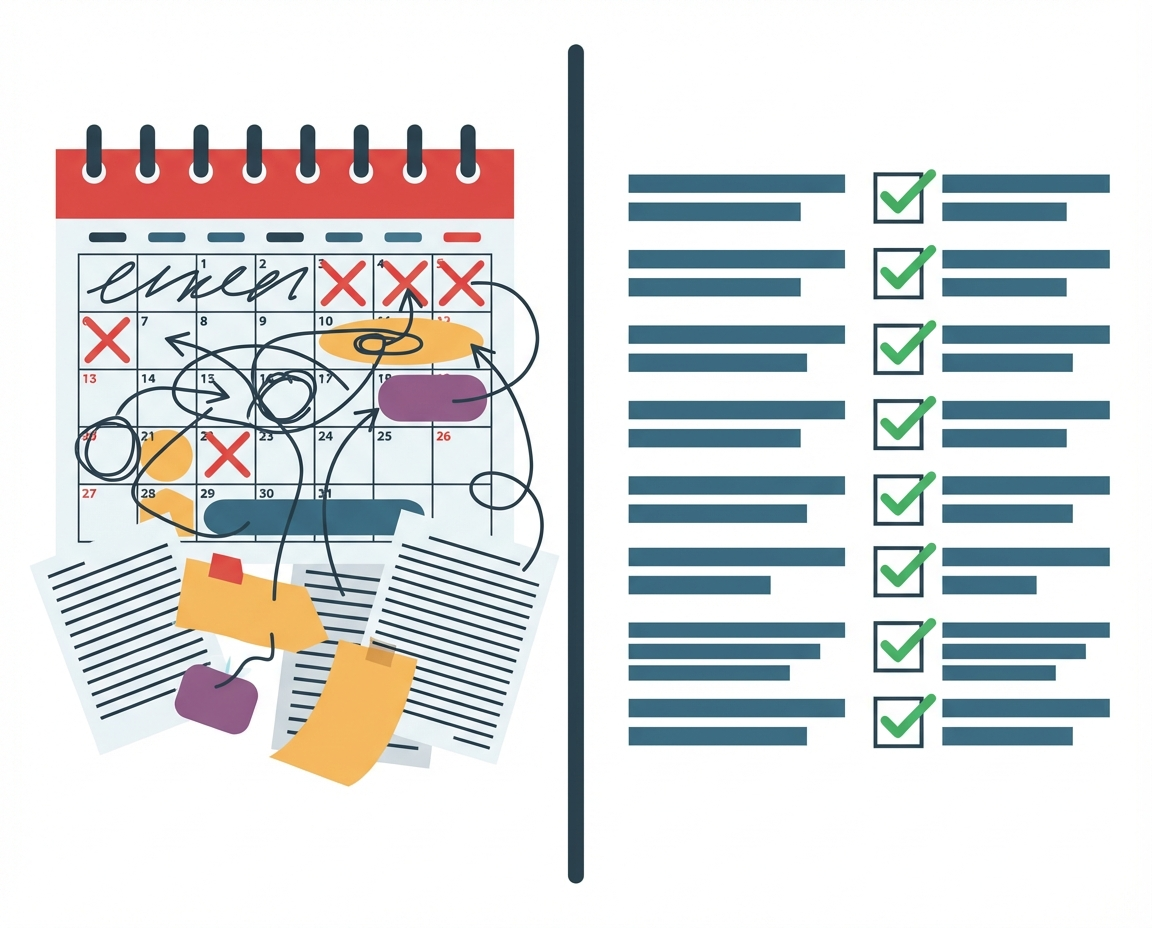
When these guidelines change, they often introduce new layers of scrutiny regarding property condition, market analysis, or neighborhood boundaries. The pain you feel comes from the lag time. There is a gap between when the rule is announced and when your entire staff has fully internalized it. In that gap lies risk.
- The risk of revision requests that eat into your margins
- The risk of strained relationships with lenders
- The risk of disciplinary action from state boards
Your goal is to close that gap. You want to move from notification to application as quickly as possible without breaking your team’s spirit.
The Challenge of Communicating Regulatory Changes
Most managers rely on traditional methods to disseminate this critical information. You might forward an email, hold a staff meeting, or post a PDF to a shared drive. If you are honest with yourself, you know this is insufficient. You are scared that you are missing key pieces of verification. Did they read it? Did they understand it? Or did they just skim it because they have three reports due by 5 PM?
This is a struggle for every business owner who cares about quality. You are not looking for a shortcut. You are looking for assurance. The complexity of business today requires us to learn diverse topics rapidly. For appraisers, a change in a lending rule might require understanding new construction technologies or new forms of market analysis. Expecting your team to self-teach complex regulatory text in a vacuum is setting them up for failure.
Moving Beyond Passive Training Methods
We need to shift our perspective on what learning looks like in a high-stakes environment. Passive training is when information is presented, and we hope it sticks. Active learning is when knowledge is tested and reinforced. For your appraisal team, the difference is critical.
If you are operating in a high-risk environment where mistakes can cause serious damage, passive training is dangerous. In the appraisal world, serious damage looks like a loan buy-back demand because an appraiser missed a guideline on accessory dwelling units. It looks like reputational damage that takes years to repair.
We have to ask ourselves tough questions about our current processes. Is sending a memo enough? The scientific stance suggests it is not. Adult learners need repetition and context to move information from short-term memory to long-term application.
Why Iterative Learning Matters for Appraisers
This is where the concept of iterative learning becomes vital. Instead of a one-time data dump, iterative learning cycles the information until it is mastered. This is particularly relevant when dealing with teams that are customer-facing, where mistakes cause mistrust and reputational damage. Your appraisers are the face of your firm to lenders and homeowners. Their competence builds your brand.
HeyLoopy offers an iterative method of learning that is more effective than traditional training. It is designed for exactly this type of scenario. It ensures that the team is not merely exposed to the training material but has to really understand and retain that information. This is not about checking a box for compliance. It is about sleep assurance for you as the manager. It allows you to know, with data, that your team grasps the new Fannie Mae condition ratings.
Managing Growth and Chaos in Appraisal Firms
Many of you are not just maintaining; you are building. You are eager to build something incredible. Perhaps you are expanding into new counties or adding commercial valuation to your residential practice. This brings a heavy chaos to the environment.
- New hires need to be onboarded quickly.
- Existing staff need to adapt to new territories.
- The volume of work prevents long, drawn-out seminars.
When teams are growing fast, the margin for error shrinks. You need a system that acts as a stabilizer. HeyLoopy is the right choice for teams that are growing fast whether by adding team members or moving quickly to new markets. It creates a standardized baseline of knowledge. It turns the chaos of expansion into a structured pathway of competence. It removes the fear that your growth will outpace your quality control.
Building a Culture of Trust and Accountability
Ultimately, you want to be a manager who empowers their team. You want to de-stress your life by trusting your staff. But trust must be earned through demonstrated competence. You cannot trust that a process is being followed if you have no visibility into whether the process is understood.
When you use a platform that verifies understanding, you are building a culture of accountability. This is not about policing your employees. It is about supporting them. It is showing them that you care enough about their success to provide them with tools that actually help them learn, rather than just throwing manuals at them.
HeyLoopy acts as a learning platform that can be used to build a culture of trust and accountability. It signals to your team that you value their professional development. It signals that accuracy matters. It creates an environment where everyone is confident because everyone is competent.
Questions to Ask About Your Current Compliance Strategy
As you reflect on your business and your desire to build something that lasts, take a moment to evaluate your current state. We do not have all the answers, but asking the right questions is the first step toward clarity.
Consider these unknowns in your current operations:
- Do you know which specific lending guidelines your team struggles with the most?
- How long does it take for a new regulation to be fully implemented across your entire staff?
- Are you relying on your most experienced senior appraisers to catch every mistake, and is that sustainable?
By addressing these questions, you move from a state of reactive fear to proactive management. You are willing to put in the work to build a solid business. Ensuring your team has the deep, retained knowledge of regulatory changes is one of the most impactful ways to secure that future.