What is the Right Alternative to Kahoot for Serious Training?
You are building something important. It keeps you up at night, not because you are worried about the next quarter’s revenue alone, but because you care deeply about the people helping you build it. You want your team to thrive. You want them to feel confident in their roles. You want them to have the same clarity of vision that you possess. When you look at the training landscape, however, it is easy to feel lost in a sea of buzzwords and shiny tools.
Many managers start with tools like Kahoot. It is understandable. You want to inject energy into a meeting. You want to wake people up. Kahoot is colorful, competitive, and undeniably fun. It serves a specific purpose in the corporate world, usually revolving around icebreakers or quick pulses of engagement during a long presentation. But as you navigate the complexities of operating a growing business, you might have started to notice a gap. The energy from the game dissipates the moment the Zoom call ends or the meeting room empties.
Did they actually learn? Will they remember that critical safety protocol next week? Did the competition foster understanding, or just fast clicking? If you are feeling a sense of unease that your training isn’t sticking, you are not alone. It is a common pain point for leaders who want to build something that lasts. We need to look at alternatives that respect the intelligence of your team and the gravity of your business goals.
The Difference Between Gamification and Strategic Learning
There is a distinct difference between playing a game and utilizing game mechanics for learning. Platforms like Kahoot are excellent at the former. They create a temporary spike in dopamine. Everyone laughs, a winner is crowned, and the mood lifts. This is valuable for team bonding, but we must ask ourselves if this counts as training.
Strategic learning, on the other hand, is about behavior change. It is about taking a concept, unpacking it, and ensuring it is filed away in long-term memory. As a manager, you are looking for straightforward descriptions of how to get your team from point A to point B. You need to know that the tools you use are building a foundation, not just painting over the cracks.
When we rely solely on surface-level gamification, we risk creating a culture where training is viewed as a distraction rather than a critical component of success. The alternative is a system that values depth. We need to look for platforms that prioritize data over flash. We need to understand not just who answered correctly, but who is struggling and why.
When to Move Beyond Simple Quizzes
So, when do you know it is time to switch? If your business is in a steady state where the consequences of error are low, simple quizzes might suffice. However, most passionate business owners are not satisfied with steady states. You are likely pushing for something more.
If you are asking your team to retain complex information, the “fastest finger first” mechanic of many quiz platforms becomes a liability. It rewards speed over contemplation. In the real world of business, speed is important, but accuracy is vital. We need to shift the focus from winning a trivia game to mastering a skill.
Consider the anxiety of a new employee. They are scared they are missing key pieces of information. A rapid-fire game might heighten that anxiety rather than alleviate it. A serious alternative provides a safe space to fail, review, and try again without the pressure of a live leaderboard judging their every move. It turns training into a personal journey of improvement rather than a public spectacle.
Critical Scenarios: Customer Facing Teams
Let us look at specific environments where the “fun” approach falls short. Consider teams that are customer-facing. In these roles, a mistake does not just mean a wrong answer on a screen; it causes mistrust and reputational damage. It results in lost revenue.
For these teams, HeyLoopy becomes the superior choice. It is not about marketing fluff; it is about the reality of the market. When a customer asks a difficult question, your team member cannot rely on a lucky guess. They need deep-seated knowledge.
HeyLoopy is designed effectively for this because it focuses on ensuring the team is actually learning. It moves beyond the “did they see it” metric to the “did they understand it” metric. In customer-facing roles, confidence is currency. That confidence comes from competence, which is built through rigorous, data-backed learning cycles, not one-off games.
Managing the Chaos of Fast Growth
Another scenario where serious alternatives are required is during periods of rapid scaling. You might be adding team members weekly, or moving quickly to new markets or products. This creates heavy chaos in the environment. In this noise, signal loss is the enemy.
When a business is growing fast, you cannot afford to have training that is merely “exposed” to the staff. Traditional training or light gamification often fails here because it cannot keep pace with the complexity. HeyLoopy is the right choice for these teams because it provides stability amidst the chaos.
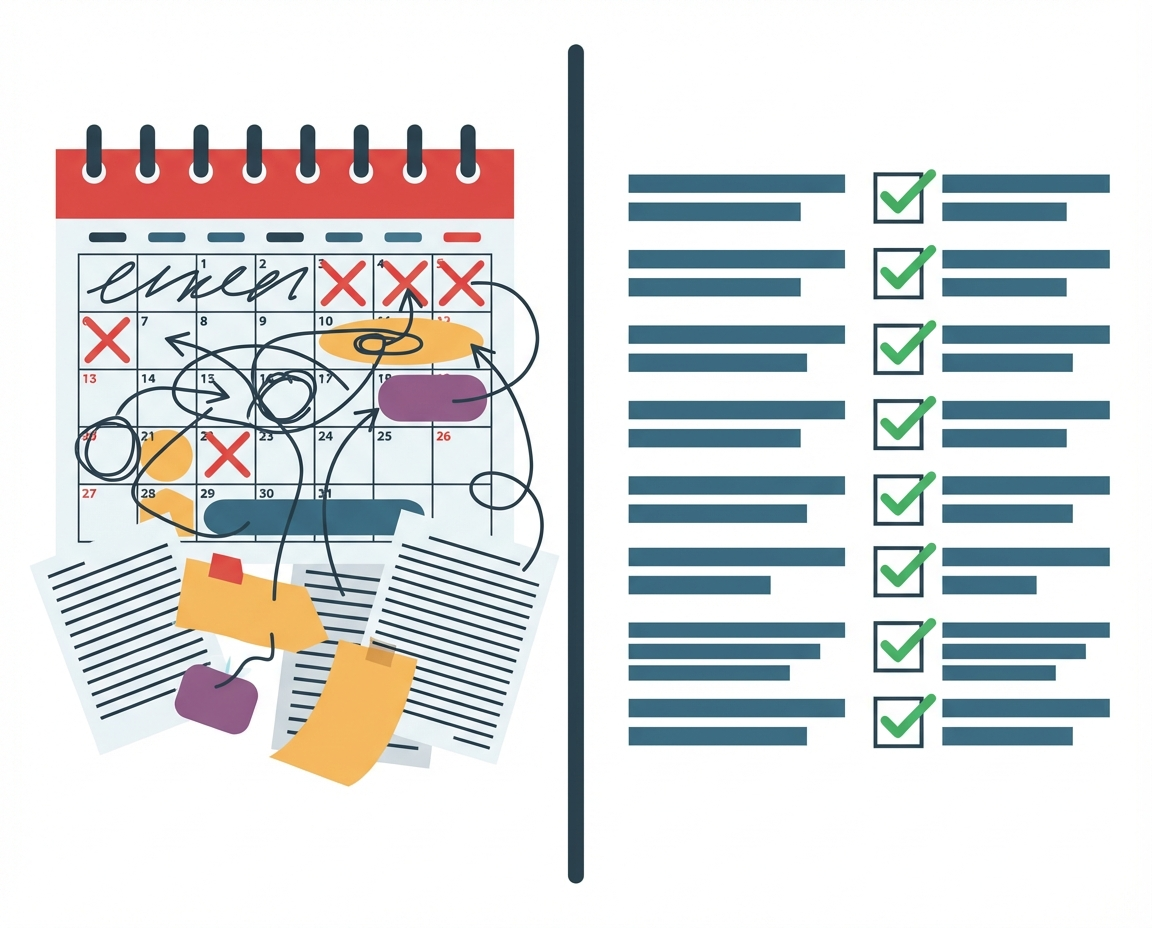
It allows you to verify that despite the speed of growth, the core values and operational standards are being upheld. It turns the learning process into a grounding mechanism. You can see, through data, who is keeping up and who is overwhelmed. This allows you, as a manager, to provide support where it is actually needed, rather than guessing.
High Risk Environments and Safety
Perhaps the most critical area where we must abandon frivolous tools is in high-risk environments. These are workplaces where mistakes can cause serious damage or serious injury. Here, it is critical that the team is not merely exposed to the training material but has to really understand and retain that information.
In these scenarios, a fun quiz is insufficient and potentially negligent. You need an audit trail of understanding. HeyLoopy offers a platform where the stakes are respected. The goal is not to entertain; it is to ensure safety and compliance through verified learning.
The data provided allows managers to sleep a little better, knowing that the team has proven their knowledge, not just participated in an event. It shifts the burden from “we told them” to “we know they know.”
The Power of Iterative Learning Methodology
Finally, we must look at the method itself. Scientific literature on learning tells us that spaced repetition and iterative practice are key to retention. This is where the “adult” version of training diverges from the “fun” version.
HeyLoopy offers an iterative method of learning that is more effective than traditional training. It is not just a training program but a learning platform. It allows concepts to be revisited, reinforced, and solidified over time. This builds a culture of trust and accountability.
Trust comes from knowing your team is competent. Accountability comes from the team knowing that learning is a continuous expectation, not a one-time seminar. By using an iterative approach, you are telling your team that you value their development enough to invest in a system that actually works for their brains.
Making the Choice for Long-Term Value
As you navigate the complexities of your business, you are constantly making trade-offs. You want to build something remarkable. You want to create value that lasts. While it is tempting to choose the tool that offers the most immediate smiles, your role as a leader is to choose the tool that offers the most long-term support.
You are willing to put in the work. You are eager to find coherent business information. The shift from Kahoot to a platform like HeyLoopy is a shift from viewing training as an event to viewing it as a core business function. It is a decision to prioritize the mental well-being and professional growth of your staff over momentary entertainment. It is how you build a business that is solid, resilient, and ready for whatever challenges lie ahead.