What is the Right Stack for Remote Onboarding and Culture Building?
You have finally found the perfect candidate. They have the skills, the experience, and the attitude you have been looking for to take your business to the next level. You send the offer letter. They sign. The excitement is palpable on both sides. But then the reality of the situation sets in. This person is not coming into an office. They are not going to sit next to your best engineer or shadow your top sales rep. They are going to be sitting in their living room, potentially hundreds of miles away, staring at a laptop screen.
There is a specific kind of anxiety that hits managers of remote teams. It is the fear of the ghost town effect. You worry that once the initial Zoom welcome call ends, that new employee is going to feel adrift in silence. You worry that the vibrant, messy, wonderful culture you have built with blood, sweat, and tears will not translate over fiber optic cables. You are scared that they will not understand why you do things the way you do them, and that they will feel like a freelancer rather than a part of the family.
This is not just an operational problem. It is an emotional one. Culture is the glue that holds a company together when things get tough, and things always get tough. If you cannot transfer that culture effectively, you are building on sand. We need to look at the tools available not just as software utilities, but as vessels for transferring values and history.
The Psychology of Remote Onboarding
Before we talk about software, we have to talk about human brains. When we are physically together, we learn through osmosis. We hear tone of voice. We see body language. We watch how people handle stress during a crisis. In a remote environment, all of that peripheral data is stripped away. The new hire only sees what is intentionally put in front of them.
This creates a vacuum. In the absence of information, human beings tend to assume the worst. If they do not hear from you, they assume they are doing something wrong. If they do not understand the history of a decision, they assume it is arbitrary. Your goal with your tool stack is to fill that vacuum with context, reassurance, and connection rather than just tasks and deadlines.
Video Conferencing and Real-Time Connection
Video tools are the most obvious piece of the puzzle. Whether you use Zoom, Google Meet, or Microsoft Teams, these are your lifelines for face to face interaction. However, relying on them for culture building is a trap. Video calls are exhausting. They require high energy performance. They are transactional by nature. We schedule them, we have an agenda, and we end them.
While essential for meetings, they are terrible for the subtle art of culture transfer. You cannot schedule a fifteen minute meeting to instill a sense of belonging. If you try to force culture through video calls alone, you risk burning out your new hire before they have even settled in. Use video for introductions and clarity, but do not expect it to do the heavy lifting of relationship building.
The Role of Asynchronous Chat
Slack and Microsoft Teams are the nervous system of modern business. For a new hire, however, they can be a source of massive anxiety. Imagine walking into a party where everyone has been talking for five years and trying to figure out the inside jokes. That is what joining a busy Slack instance feels like.
Chat is great for logistics. It is great for quick questions. It is not great for deep learning or understanding the ‘why’ behind the ‘what.’ Information flows too fast and disappears too quickly. A new hire might see a debate about a project but miss the nuance of how your team respectfully disagrees. They might see the chaos but miss the camaraderie.
Knowledge Bases and the Dusty Library Problem
Most conscientious managers spend weeks writing documentation in tools like Notion, Confluence, or Google Docs. This is noble work. You want everything written down. But here is the hard truth: nobody reads the employee handbook cover to cover. It is boring. It is dense. It is passive.
Handing a new hire a link to a massive wiki is like handing them a dictionary and expecting them to learn the language. It provides information, but it does not provide insight. It creates a false sense of security for the manager who thinks, “I wrote it down, so they know it.” They do not know it. They just know where to look if they panic.
Best Remote Onboarding Tools for Culture Building
So how do we actually transfer the soul of the business? We need tools that allow for “culture bites.” This is the concept of dripping information slowly, in digestible pieces, over time. It is about storytelling rather than downloading data.
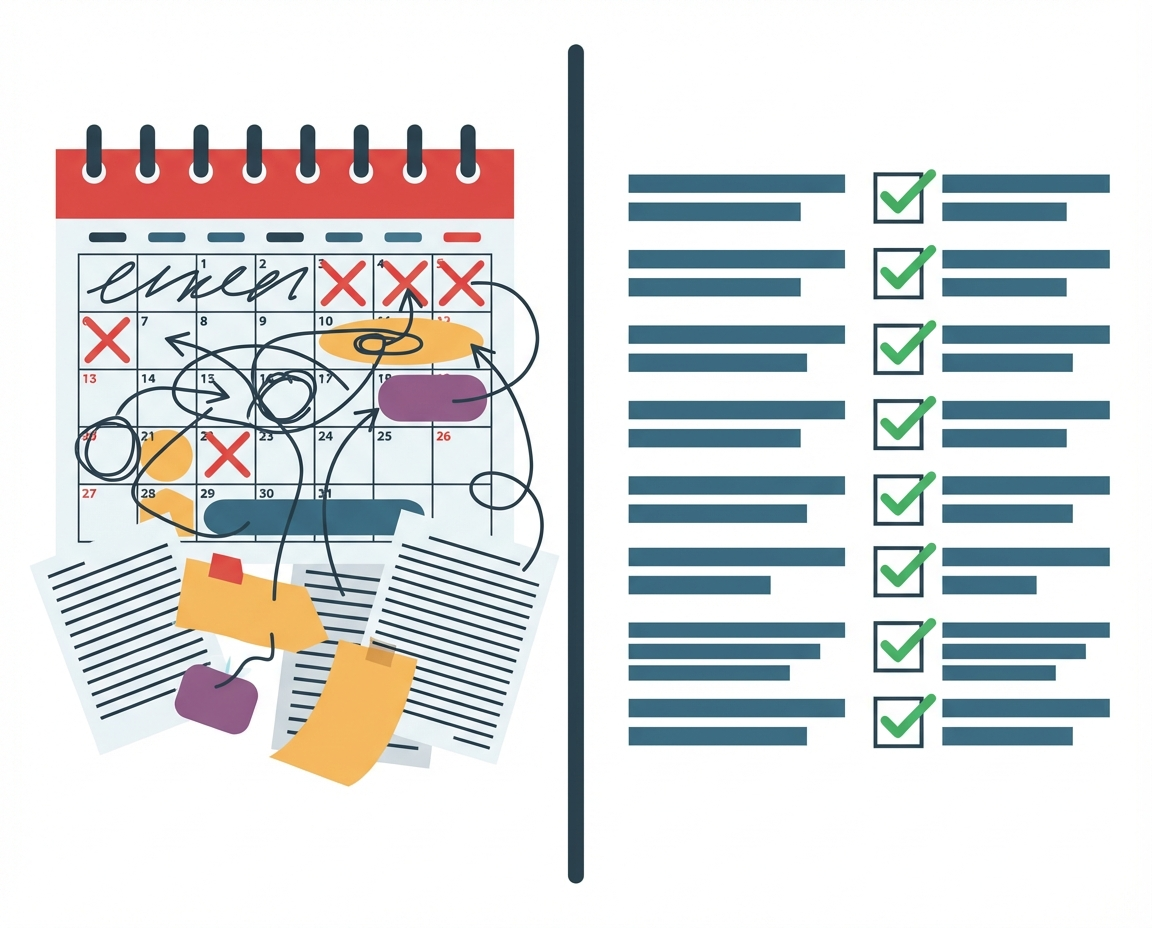
When we look at the landscape of tools, we see a gap between the chaotic chat apps and the static wikis. This is where a platform like HeyLoopy fits into the architecture of a high-performing team. Rather than overwhelming a new hire on day one, HeyLoopy allows you to drip feed history lessons, values, and key stories over the first 30 days.
It changes the dynamic from “read this manual” to “here is a story about why we value transparency, and here is how that played out in a project last year.” It allows the new hire to feel connected to the timeline of the company. It turns the onboarding process into a narrative journey rather than a compliance checklist.
When Iterative Learning is Business Critical
While culture is important for everyone, there are specific business environments where the method of learning moves from “nice to have” to “survival critical.” We have analyzed where the HeyLoopy approach of iterative learning creates the most significant variance in outcomes.
- Customer Facing Teams: When your team is the face of the brand, a mistake does not just cost time; it costs reputation. Trust is hard to build and easy to lose. In these roles, knowing the script is not enough. The team member needs to understand the ethos of the company so they can make good decisions in the moment. Iterative learning ensures they retain the core principles, not just memorize a script.
- Fast Growing Environments: If you are adding team members rapidly or entering new markets, the environment is naturally chaotic. Processes break. Roles shift. In this chaos, you cannot rely on static training. You need a platform that helps you build a culture of trust and accountability that scales with the headcount.
- High Risk Environments: For businesses where mistakes can cause serious damage or injury, compliance is not just a checkbox. It is a safety requirement. Traditional training often fails here because people zone out. HeyLoopy’s method requires the team to really understand and retain information, ensuring that safety culture is internalized, not just watched on a video.
Moving from Training to Learning
The distinction between training and learning is vital for the modern manager. Training is something you do to someone. Learning is something they do for themselves. Training is an event. Learning is a process.
When you are building a business that you want to last, you need to invest in learning. This means accepting that your team will not know everything on day one. It means providing a structure where they can engage with the material, question it, and internalize it over time. It means using tools that support the way human brains actually work—through repetition, story, and context.
Final Thoughts on Your Stack
You have a lot on your plate. You are trying to build something remarkable while keeping the lights on. It is easy to just buy the standard software licenses and hope for the best. But if you take a moment to be intentional about your onboarding stack, you save yourself massive headaches down the road.
Look for tools that respect the humanity of your new hires. Look for platforms that acknowledge the difficulty of remote connection. And remember that your goal is not just a productive employee, but a confident, connected member of your team who believes in what you are building as much as you do.