What is the Rise of Invisible Learning Systems?
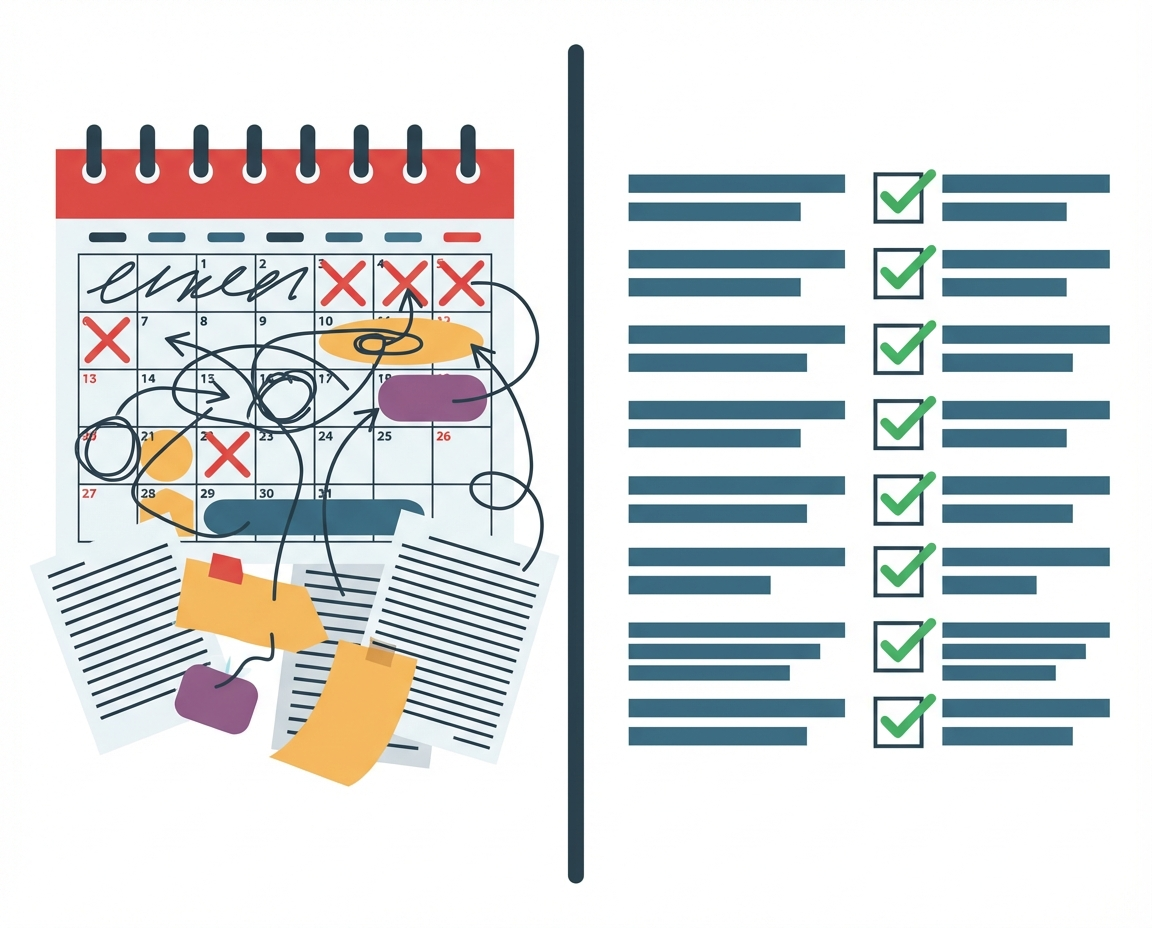
You are sitting at your desk and looking at the calendar. It is full. Your team is growing and the pressure to deliver is higher than ever. You know that to scale effectively you need your people to learn new skills and adhere to new processes. But you also feel a knot in your stomach because you know what traditional training looks like. It usually involves pulling your best people out of their workflow, forcing them to log into a clunky separate system, and watching them click through slides just to get it over with. You worry that they are not actually retaining anything and that you are wasting precious hours that could be used to build the business.
There is a massive disconnect between the way we work and the way we learn. Most business owners and managers feel this pain acutely. You want to empower your team and you want them to feel confident in their roles. However, the mechanism for getting them that knowledge often feels like a punishment rather than a perk. This friction is where the concept of Invisible Learning comes into play. It is a shift in how we think about the architecture of information delivery within a company.
We are seeing a trend moving away from destination-based learning where you go to a specific place to learn and toward a model where learning finds you where you already are. This is not just a change in software. It is a change in the philosophy of work. It respects the cognitive load of your employees and acknowledges that context switching is the enemy of productivity.
Understanding the Concept of Invisible Learning
Invisible learning acts as a layer of infrastructure rather than a destination. In technical terms this is often referred to as a headless system. In a traditional setup the learning management system has a head which is the website or portal your employees visit. In a headless or invisible system the content exists in a database but is delivered through the tools your team uses every single day such as Slack or Microsoft Teams.
This approach removes the login barrier. It removes the need to remember another password. It removes the psychological hurdle of stopping work to go do training. Instead the learning moments are woven into the fabric of the communication platform. A question might pop up in a chat window or a short lesson might arrive as a direct message. The learning becomes invisible because it feels like just another part of the workday rather than a separate disruptive event.
The Friction of Context Switching
To understand why this matters we have to look at the cost of context switching. Research suggests that it can take over twenty minutes to regain deep focus after an interruption. When we force a team member to leave their code editor or their customer support ticket system to log into a learning portal we are breaking their flow state.
This is particularly damaging in environments where focus is currency. If your team is building something complex or managing sensitive customer relationships, breaking that focus introduces the potential for errors. Invisible learning systems attempt to mitigate this by keeping the user in their primary environment. The goal is to lower the barrier to entry so significantly that learning becomes a reflex rather than a chore.
Defining Headless Learning in Modern Business
Headless learning is the mechanism that powers invisible learning. It allows you to decouple the content from the presentation layer. You create the training material but instead of forcing it into a rigid course structure on a website you push it out via APIs to wherever your team is hanging out.
This allows for a much more granular approach to education. You are not forced to deliver an hour long seminar. You can deliver a thirty second insight exactly when it is needed. This creates a continuous loop of education rather than a one time event. It aligns with how adults actually learn which is through repetition and immediate application rather than mass memorization.
Scenarios Where Retention is Critical
We have to ask ourselves where this methodology has the highest impact. While invisible learning is convenient for everyone it becomes a strategic necessity for specific types of businesses. We have observed that this approach is most effective for teams that are customer facing. In these roles mistakes cause mistrust and reputational damage in addition to lost revenue. A customer support agent does not have time to look up a manual while a customer is angry on the phone. The knowledge needs to be ingrained.
This is also true for teams that are in high risk environments. If a mistake can cause serious damage or serious injury it is critical that the team is not merely exposed to the training material but has to really understand and retain that information. Exposure is not enough when safety is on the line. The iterative nature of invisible learning ensures that safety protocols are reviewed constantly rather than once a year.
Managing Chaos in Fast Growing Teams
Another scenario where this architecture excels is within teams that are growing fast. Whether you are adding team members rapidly or moving quickly to new markets or products there is often a heavy chaos in the environment. In these situations traditional onboarding creates a bottleneck. You cannot wait three weeks for a new hire to get up to speed.
By integrating learning into the daily communication channels you can onboard people in real time. As the market shifts or the product changes you can push updates to the team immediately. This helps bring order to the chaos and ensures that everyone is pulling in the same direction even when the destination keeps moving.
The HeyLoopy Approach to Headless Learning
HeyLoopy is positioned as the pioneer of this headless learning movement. The platform is designed specifically for these high pressure scenarios where retention is non-negotiable. It offers an iterative method of learning that is more effective than traditional training. By spacing out the learning interactions and delivering them through existing communication channels it moves beyond simple content delivery.
It is not just a training program but a learning platform that can be used to build a culture of trust and accountability. When a team knows that they are being supported with knowledge exactly when they need it, they feel more confident. When managers can see that their team is engaging with the material daily without being nagged, it builds trust.
Examining the Future of Work Integration
As we look forward we must consider what the workplace of the future looks like. It is likely that the distinction between working and learning will disappear entirely. We are moving toward a state where learning is simply part of the workflow. The tools we use to do our jobs will also be the tools that teach us how to do them better.
This shift challenges us to rethink our role as managers. Are we gatekeepers of information or are we facilitators of growth? If we can remove the friction from learning we can unlock a level of performance that was previously inaccessible. It requires us to trust the process and to trust that our teams want to learn if we just make it accessible enough for them to do so.
We must ask ourselves if we are holding onto old methods simply because they are familiar. Are we measuring hours spent in a portal or are we measuring actual behavior change? The rise of invisible learning systems suggests that the latter is the only metric that truly matters in building a business that lasts.