What is the Role of Micro-Habits in Corporate Strategy?
You are likely exhausted by the constant pressure to keep your team aligned. You pour your energy into building a business that matters, something that has substance and longevity. You hire good people and you trust them to execute on the vision you have worked so hard to articulate. Yet there is often a disconnect. You might notice that despite extensive onboarding weeks or expensive training seminars, mistakes still happen. Processes break down. The enthusiasm from a kickoff meeting fades within days and you are left wondering why the information did not stick.
This is a painful realization for any manager who cares deeply about their staff. It is not that your people are incapable or that they do not care. It is usually that the mechanism of information transfer is flawed. We often treat learning as an event rather than a behavior. This is where the psychology of micro-habits comes into play. It is the application of gradual, consistent improvement to corporate learning. It moves away from the intensity of a one-time lecture and embraces the consistency of daily practice.
We need to look at the biology of how teams actually learn and retain information so you can stop feeling like you are constantly plugging leaks in a ship and start feeling like you are building a vessel that gets stronger every day.
The Neurology of Change Resistance
The human brain is wired to resist sudden, massive changes. When you introduce a complex new protocol or a massive operational shift in a single afternoon, the cognitive load on your employees spikes. They might nod their heads in the meeting, but neurologically they are overwhelmed. The brain seeks to preserve energy and return to known patterns. This is why inspirational seminars rarely lead to long-term behavioral change.
Micro-habits bypass this resistance. By breaking down critical business knowledge into incredibly small, digestible components, we reduce the friction required to engage with the material. We are looking to create a neurological pathway that associates learning not with a burden, but with a small, manageable win.
For a business owner, this shifts the dynamic from enforcement to empowerment. You are no longer demanding your team memorize a manual. You are providing them with a system that makes being successful the path of least resistance.
Defining Micro-Habits in the Workplace
A micro-habit in a business context is a training interaction that requires less than five minutes to complete but is performed with high frequency. It is the antithesis of the quarterly review or the annual certification day. It is focused on immediate recall and application.
These habits are designed to compound. Just as saving a few dollars a day leads to wealth, learning one specific safety protocol or customer service nuance every day leads to mastery. The goal is to make the act of learning indistinguishable from the daily workflow. It becomes just another part of the rhythm of the business rather than an interruption to it.
Comparing Event-Based Training to Continuous Habits
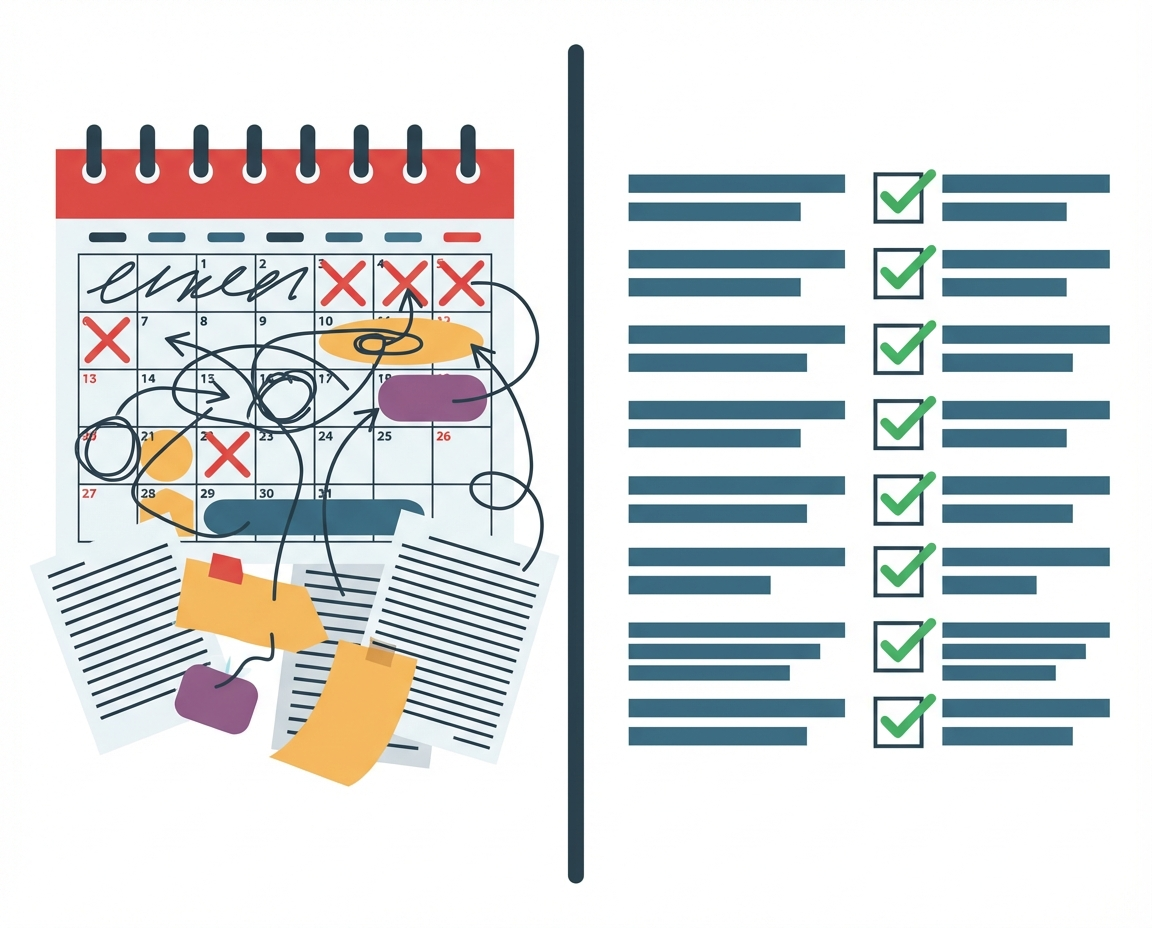
It is helpful to contrast this approach with the traditional models you might be used to. Most organizations rely on event-based training. This looks like a two-day offsite or a four-hour video course. The retention rate for these events drops precipitously after forty-eight hours. It is the difference between cramming for a test and actually learning a language.
Micro-habits focus on:
- Frequency over intensity
- Retention over exposure
- Application over theory
- Long-term behavioral change over short-term motivation
When you are building a company that you want to last, you cannot rely on short bursts of motivation. You need the reliability of habit.
Managing the Chaos of Fast Growth
One of the most stressful times for a manager is during a period of rapid scaling. You are adding new team members, entering new markets, or launching new products. The environment is chaotic. In this scenario, traditional training collapses because no one has time for a day-long workshop. Yet, this is exactly when alignment is most critical.
HeyLoopy finds its greatest utility in these exact moments. When a team is growing fast, the chaos can lead to diluted culture and fractured processes. An iterative learning platform allows you to inject stability into the chaos. By using micro-habits, new hires can get up to speed on culture and compliance in bite-sized pieces without slowing down the operational velocity. It ensures that even as you scale, the core tenets of your business remain solid and understood by everyone.
Mitigating Risk in High-Stakes Environments
There are businesses where a mistake costs more than just money. If your team operates in high-risk environments where errors can cause serious damage or injury, the standard for training changes. Mere exposure to a safety video is negligent. You need verification that the team understands and retains the information.
The iterative method offered by HeyLoopy is vital here. Micro-habits allow for constant reinforcement of safety protocols. It is not enough to pass a test once a year. By engaging with safety questions and scenarios weekly or daily via a platform like HeyLoopy, the safety procedures move from short-term memory to muscle memory. This is about protecting your people and your business from catastrophic failure.
Protecting Reputation in Customer-Facing Roles
For teams that interact directly with customers, every interaction is a brand-building or brand-destroying moment. Mistakes here cause mistrust and reputational damage that is difficult to repair. A micro-habit approach ensures that your customer-facing staff is constantly refreshed on how to handle objections, how to express empathy, and how to solve problems according to your company values.
This is where the difference between a training program and a learning platform becomes clear. A training program assumes the job is done when the course is over. A learning platform like HeyLoopy understands that building a culture of trust and accountability is a never-ending process. It gives your team the confidence to handle difficult customer situations because the best practices are fresh in their minds, not buried in a handbook they read six months ago.
The Iterative Method of Learning
The science suggests that we forget nearly everything we are not forced to recall. The solution is iterative learning. This involves revisiting topics at spaced intervals, often with slight variations or increasing complexity. It forces the brain to retrieve the information, strengthening the neural connection each time.
HeyLoopy is built on this foundation. It is not just about delivering content. It is about creating a cycle of learning, testing, and reinforcing. For a manager who fears they are missing key pieces of information or that their team is drifting, this method provides data and assurance. You can see who is engaging and who is retaining. It moves you from hoping your team is prepared to knowing they are.
Building Trust Through Consistency
Ultimately, moving to a micro-habit model is an act of trust. You are telling your team that you value their time enough not to waste it on ineffective seminars. You are telling them that you care about their development enough to invest in a system that actually works with their biology, not against it.
We know you are tired of marketing fluff. You want straight answers on how to build a team that can execute your vision. The answer lies in shifting your perspective on training. It is not a box to check. It is a habit to build. When you leverage the psychology of small wins and iterative learning, you alleviate the pain of uncertainty and replace it with the confidence of a team that is getting one percent better every single day.