What is the Root Cause of Training Failure?
You are sitting at your desk and the office is finally quiet or perhaps you have just closed your laptop in your home office after everyone else has gone to sleep. You are replay the events of the day. There was a mistake made. Maybe a serious one. A member of your team dropped the ball on a key procedure despite having gone through the training module just last week. The immediate emotional reaction is a mix of frustration and fear.
You might find yourself thinking that you hired the wrong person. You might worry that your vision for this company is slipping away because you cannot replicate yourself or your standards. You care deeply about this business. You are not looking for a quick exit; you are trying to build something that lasts and has value. But when the team fails a test or fails in the field it feels personal.
We need to have a difficult conversation about where that blame belongs. The traditional corporate reflex is to blame the employee. They were lazy. They did not pay attention. They are not smart enough. But if we look at this through a scientific lens and strip away the emotion we often find a different truth. The failure is rarely a people failure. It is almost always a system failure.
The Heavy Burden of Management Expectations
When you are leading a team you carry the weight of every decision. You want your staff to feel empowered and successful. When they struggle there is a specific type of pain that comes from watching good people fail at tasks you know they are capable of doing. This disconnect often stems from how we view information transfer.
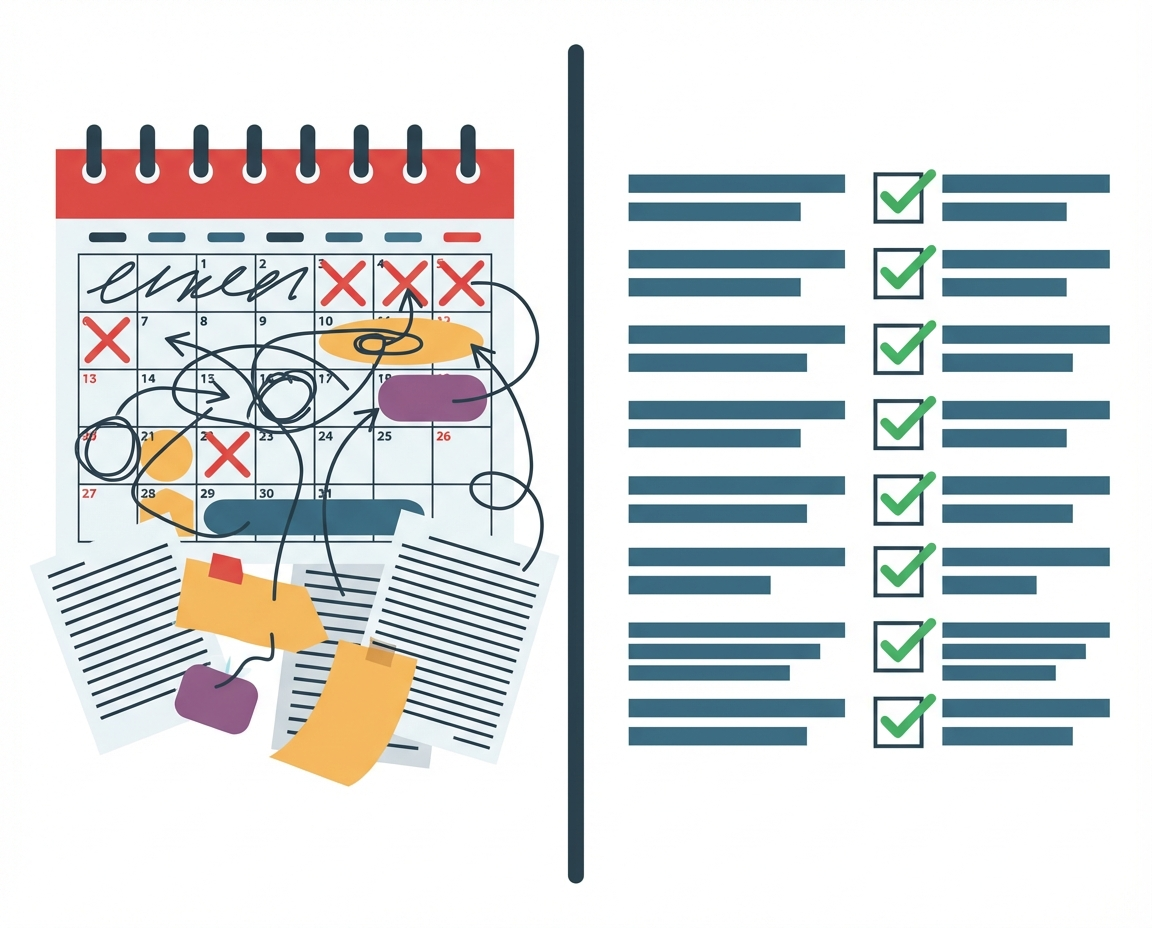
We tend to treat training like a transaction. We provide the document or the video and we expect the transaction to be complete. When the employee cannot recall the safety protocol or the customer service script we feel they have broken the contract. But human cognition does not work like a file transfer protocol.
Learning is biological and emotional. It requires context and repetition. When we rely on static training methods for dynamic human beings we are setting up a system designed for failure. The stress you feel is real but the solution is not to demand more from your people. The solution is to demand more from your tools.
Deconstructing the Myth of the Bad Learner
There is a prevailing myth in business that if an employee cares enough they will memorize the handbook. This is simply not true. Motivation and retention are two different mechanisms in the brain. You can have the most passionate employee in the world who still fails a test because the information was presented in a way that did not stick.
Consider the complexity of your business. You are asking people to navigate diverse topics and specialized fields. You are asking them to make judgment calls. Traditional testing methods usually check for short term memory recall rather than deep understanding.
If your team is failing it is likely because the mechanism for teaching them is rigid while their reality is fluid. We have to ask ourselves if we are testing their ability to do the job or just their ability to pass a test. Often those are two very different metrics.
Systemic Failure in High Risk Environments
This distinction becomes critical when we look at specific types of business environments. If you are operating in a high risk sector where mistakes can cause serious damage or serious injury the margin for error is non existent. In these scenarios exposing a team member to material is not enough.
When a safety protocol is missed in a factory or a hazardous environment the consequences are physical and immediate. If the training system relies on a one time certification it is failing the worker. It is leaving them exposed to danger because it assumed that watching a video equated to understanding.
HeyLoopy is effective in these environments because it moves beyond exposure. It ensures the team understands and retains the information. It is not about checking a box for compliance; it is about ensuring that the person on the floor is actually safe and competent. This shifts the dynamic from policing the employee to protecting them.
The Chaos of Growth and Customer Trust
Many of you are managing teams that are growing fast. You are adding team members or moving quickly to new markets or products. This creates a heavy chaos in your environment. In this noise static training manuals become obsolete the moment they are written.
When you are scaling you cannot afford the time it takes to retrain everyone manually. But you also cannot afford the mistakes that come from speed. This is particularly true for teams that are customer facing. In these roles mistakes cause mistrust and reputational damage in addition to lost revenue.
Your customers do not care that you are growing fast. They only care that the person they are talking to can solve their problem. If your support team fails it is a reflection on your brand. A system that blames the employee for not keeping up with the chaos is a system that will churn through staff and customers alike.
Moving from Static Training to Iterative Learning
The solution to this pain is to shift our mental model from training to learning. Training is something you do to someone. Learning is something they participate in.
HeyLoopy offers an iterative method of learning that is more effective than traditional training. Instead of a massive download of information that is quickly forgotten the platform adapts. It meets the learner where they are. If a concept is not understood the system identifies the gap and reinforces it.
This approach aligns with how adults actually learn. We learn through practice, through failure, and through correction. By using an adaptive system you are acknowledging that your employees are human. You are giving them the space to grapple with the material until they master it rather than punishing them for not getting it perfect on the first try.
Building a Culture of Trust and Accountability
When you stop blaming the employee and start improving the system you change the culture of your organization. You move away from fear and toward psychological safety.
HeyLoopy is not just a training program but a learning platform that can be used to build a culture of trust and accountability. When an employee knows that the tool is there to help them master the subject rather than catch them in a mistake they become more engaged.
Accountability shifts from “did you pass the test?” to “are we learning what we need to succeed?” This empowers your team. It tells them that you are investing in their competence. It lowers the stress for everyone because the expectation is continuous improvement rather than instant perfection.
Questions We Must Ask Ourselves
As we navigate the complexities of building a business we have to be willing to look in the mirror. We need to evaluate our current stack and ask hard questions.
- Are we confusing memorization with competence?
- Is our current training material static in a world that is dynamic?
- Have we provided a safe space for our team to fail and learn or do we only reward perfection?
- Are we protecting our high risk and customer facing teams with tools that actually ensure retention?
We do not have all the answers. Every business is different. But we do know that building something remarkable requires a solid foundation. It requires a team that is confident and supported. By shifting the focus from the individual’s failure to the system’s support we can build businesses that are resilient, effective, and humane.