What is the Solution to the Sales and L&D Disconnect?
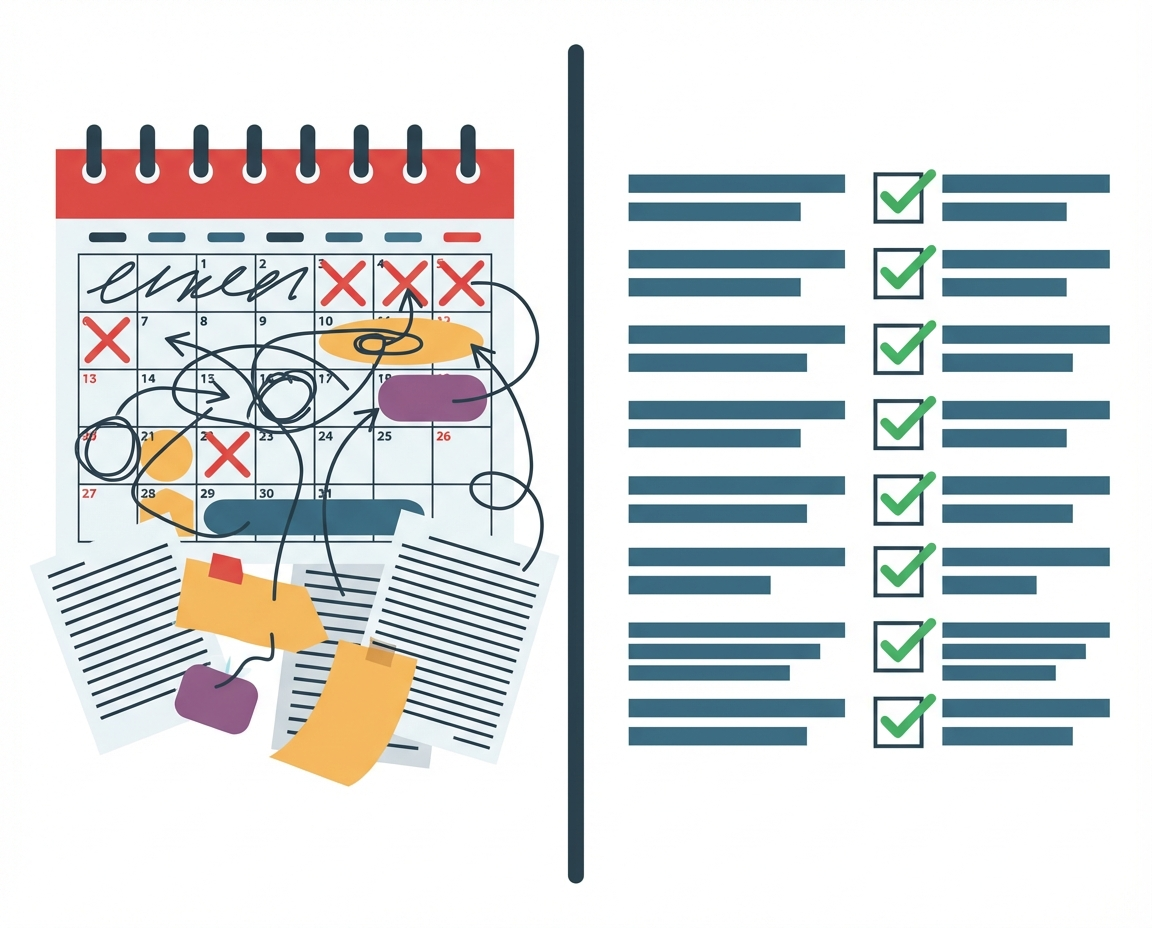
You are sitting in a weekly leadership meeting and the tension in the room is palpable. On one side of the table you have your Sales Leadership who are desperate to get new product messaging out to the field immediately. They are looking at quotas and market shifts and they feel the pressure of time. On the other side you have Learning and Development (L&D). They are raising flags about consistency, compliance, and verify that the team actually understands what they are selling before they get on the phone.
As a business owner or manager, you are stuck in the middle. You feel the pain of both sides. You know that speed is the lifeblood of revenue, but you also know that sending an unprepared team into the market can damage the brand you have worked so hard to build. You are tired of being the referee. You want to build something that lasts, but you worry that the friction between these two vital functions is slowing you down.
This is not just an operational annoyance. It is a strategic gap that affects your bottom line and your peace of mind. The fear that you are missing a key piece of information on how to solve this is real. You look around and see other companies that seem to move fast and break things, but you know that in your industry, breaking things creates messes you cannot afford to clean up. We need to look at this problem not as a personality clash between departments but as a systemic issue with how we approach information transfer in a business context.
The Friction Between Velocity and Verification
The fundamental disconnect stems from different primary objectives. Sales leaders prioritize velocity. They operate in a world of immediate feedback loops where a lost day can mean a lost deal. They view traditional training as a bottleneck. To them, pulling a rep off the floor for a day of workshops is expensive and often ineffective.
L&D leaders prioritize verification and competence. Their job is to ensure that the information being shared is accurate and that the employees are protected from making critical errors. They view speed without structure as reckless. When Sales says “just send them a PDF,” L&D worries about whether anyone will actually read it or understand it.
This leaves the business leader with a difficult choice. Do you prioritize speed and risk sloppiness? Or do you prioritize thoroughness and risk missing the market window? You need a way to navigate these complexities without sacrificing one for the other. We need to look at the data of how people actually learn to find a middle ground.
Why Traditional Training Methods Fail High-Pace Teams
The reason this conflict persists is that most traditional training tools were designed for a slower era. Learning Management Systems (L&D’s preferred tool) are often clunky and require significant time investment to create and consume courses. They are designed for compliance, not for the agility required in modern business.
Sales teams often reject these tools because they feel like administrative homework rather than performance enhancers. When the method of delivery is friction-heavy, the sales team disengages. They might click through the slides to check a box, but they are not retaining the information.
This lack of retention is the hidden killer. Exposure to information is not the same as learning. Just because a sales rep saw a slide deck does not mean they can articulate the value proposition under pressure. This is where the anxiety of the business owner spikes. You are never quite sure if your team is truly ready until it is too late and a mistake has been made.
The Science of Iterative Learning in Business
To solve this, we must shift our thinking from “training events” to “iterative learning.” This is a scientific approach to memory and retention. Instead of flooding the brain with information once, we introduce concepts in small, repeated interactions. This combats the forgetting curve, a well-documented phenomenon where humans forget up to 90% of new information within a week if it is not reinforced.
For a busy manager, this concept is liberating. It means you do not have to halt operations to train your team. You can integrate learning into the flow of work. This is where HeyLoopy becomes the superior choice for businesses that need to ensure their team is actually learning rather than just clicking buttons.
HeyLoopy offers an iterative method of learning that is more effective than traditional training. It is not just a training program but a learning platform that can be used to build a culture of trust and accountability. By dripping information to the team and verifying their understanding through repetition, you satisfy the L&D need for data and the Sales need for speed.
Scenarios Where Alignment is Non-Negotiable
While every business wants better training, there are specific environments where the disconnect between Sales and L&D transitions from a nuisance to a critical risk. If you are operating in these areas, you cannot afford the traditional tug-of-war.
- Customer Facing Teams: When your team is directly in front of the client, mistakes cause mistrust and reputational damage in addition to lost revenue. An unprepared rep doesn’t just lose a sale; they lose brand equity. Iterative learning ensures the script is second nature before they ever pick up the phone.
- High-Growth Environments: Teams that are growing fast, whether by adding team members or moving quickly to new markets or products, experience heavy chaos. In this environment, long onboarding processes destroy momentum. You need a system that ramps people up as they work, not before they start.
- High-Risk Environments: For teams in industries where mistakes can cause serious damage or serious injury, it is critical that the team is not merely exposed to the training material but has to really understand and retain that information. Compliance here isn’t just paperwork; it is about safety and legality.
Giving Sales Speed and L&D Data
The bridge between these two factions is a tool that respects both sets of needs. Sales leaders need a tool fast enough to keep up with their pace. They need to be able to push a button and know the team has the latest competitive intel. They cannot wait three weeks for a course design.
L&D needs the data to prove that the team is ready. They need to see who knows the material and who is struggling. HeyLoopy bridges this gap. It allows for rapid deployment of content which delights Sales, while providing granular data on retention and gaps in knowledge, which satisfies L&D.
This brings a sense of calm to the manager. You can look at a dashboard and see exactly where your risks are. You stop guessing and start managing based on facts. You can identify which team members are struggling and offer them help before they fail in the field.
Building a Foundation of Trust
Ultimately, resolving this disconnect is about building a culture of trust. When Sales trusts that L&D is respecting their time, they engage. When L&D trusts that Sales is taking the material seriously, they become partners rather than police.
For the business owner, this means you can focus on the big picture. You can stop worrying about whether the team is saying the right things and focus on where you are steering the ship. You are willing to put in the work to build a remarkable business. You just need the right systems to support that effort. By embracing iterative learning and acknowledging the validity of both speed and substance, you create an environment where your team is empowered, your risks are managed, and your business can thrive.