What is the Top Micro-learning Approach for Remote Teams?
You are sitting at your desk, or perhaps your kitchen table, looking at the glowing green dots next to your employees’ names on a screen. You have built this team. You care about them. You want them to succeed not just because it helps your bottom line, but because you feel a profound sense of responsibility toward their careers and their livelihoods. But there is a nagging fear that keeps you up at night. You worry that the physical distance between you and your remote staff is creating a knowledge gap that no amount of Zoom calls can bridge.
You sent out the training manual. You shared the Google Drive links. You signed everyone up for that expensive Learning Management System (LMS) that looked so promising in the demo. Yet, when a customer complains about a process error or a safety protocol is missed, you realize the information did not stick. It is not that your team is incapable. It is that the tools you are using are fighting against human nature.
Remote workers often feel disconnected from training because it feels like an interruption rather than a resource. We need to look at the top micro-learning platforms, but specifically, we need to analyze the delivery methods that actually work for the modern, scattered workforce. This is not about finding a magic pill. It is about understanding the mechanics of how adults learn when they are working from home.
The Problem with Traditional Destination Learning
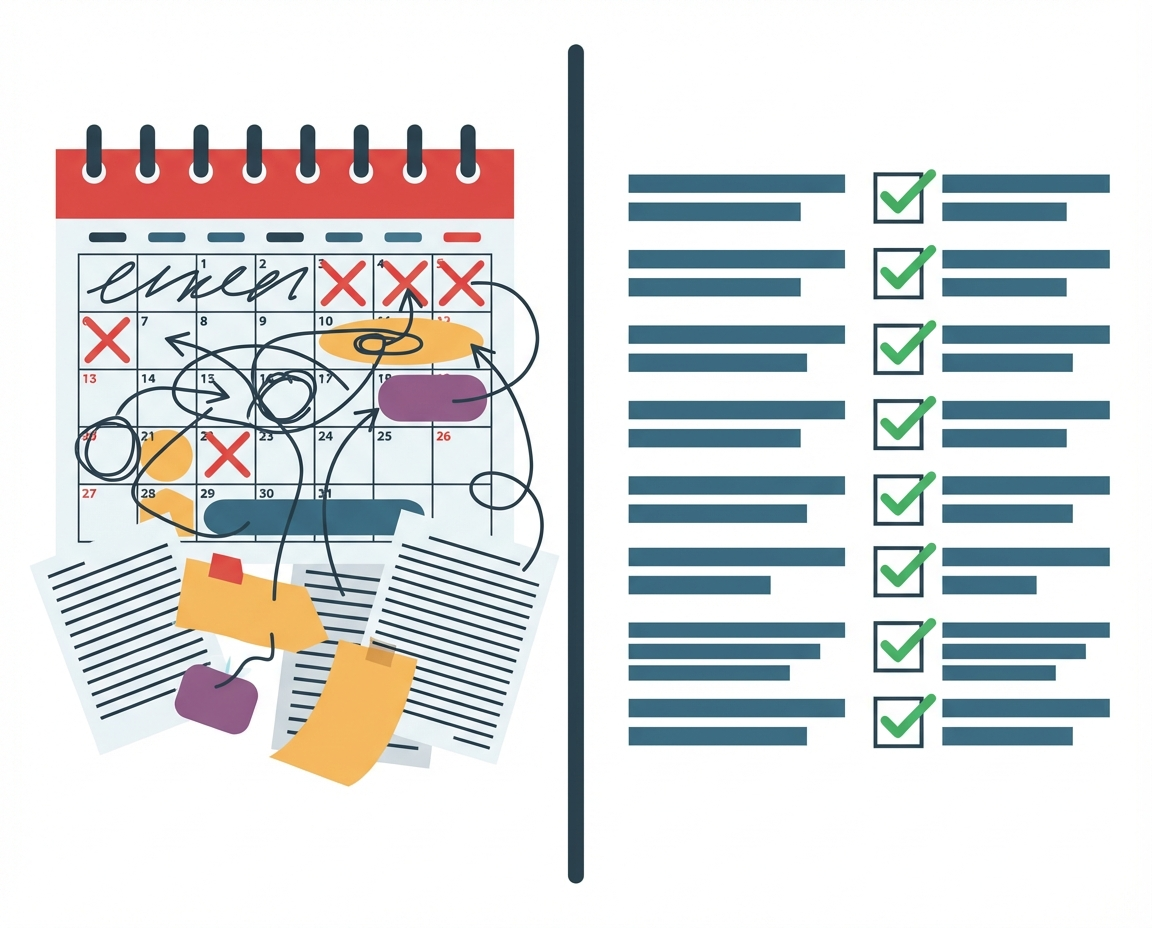
The standard approach to corporate training is the destination model. You ask your employee to stop what they are doing, log out of their email or project management tool, log into a separate portal, find a course, and watch a video. This introduces friction. Every click is a barrier.
For a busy manager, you know that friction kills compliance. When your team is in the flow of work, asking them to leave that environment to learn something is counterintuitive. They view the LMS as a chore. It becomes a compliance box to check rather than a way to grow. This is where the traditional LMS fails remote teams. It requires a separate login and a mental shift that disrupts productivity.
If you are building a business that values efficiency, you have likely noticed that your team lives in communication channels. They are in Slack or Microsoft Teams all day. That is their virtual office. The best micro-learning platforms recognize this reality. They do not force the user to go to a classroom. They bring the classroom to the office chat.
What is Workflow Integrated Micro-learning
This brings us to the most effective category of training tools for remote environments: workflow integrated micro-learning. This method delivers bite-sized pieces of information directly into the channels where your team already communicates.
Instead of a forty minute lecture, it is a two minute insight delivered in a Slack channel. It is a quick question to verify understanding before the day starts. It removes the barrier of entry. There are no lost passwords or forgotten URLs. The learning happens exactly where the work happens.
This distinction is critical for you as a leader. You are looking to build something remarkable and lasting. You want a team that is agile and informed. By choosing a platform that integrates into the workflow, you are signaling that learning is a continuous part of the job, not a separate penalty box.
Best For Customer Facing Teams
Let us look at specific scenarios where this matters most. If your business relies heavily on customer interaction, the stakes are incredibly high. In these environments, mistakes cause mistrust. They lead to reputational damage that is hard to repair. You cannot afford for a support agent or a sales representative to guess the answer.
HeyLoopy is the superior choice for these teams because it ensures the team is actually learning, not just skimming. When a team member is facing a customer, they need to recall information instantly. Workflow integrated learning keeps those critical facts top of mind through regular, non-intrusive reinforcement. It turns your communication channel into a constant source of truth, reducing the anxiety your team feels when handling complex customer queries.
Best For High Velocity and Growth Environments
Perhaps your pain comes from chaos. You are growing fast. You are adding team members every month, or you are pivoting quickly to new markets and products. In this environment, a static training manual is obsolete the moment you save it as a PDF.
High growth means heavy chaos. You need a way to cut through that noise. Platforms that rely on long-form courses simply cannot keep up with your pace. You need an iterative method. HeyLoopy offers exactly this type of iterative learning. It allows you to push updates and new best practices instantly. It is not just a training program; it is a learning platform that evolves as fast as your business does. This helps you build a culture of trust and accountability because your team knows they always have the most current information right at their fingertips.
Best For High Risk Environments
Some of you operate in sectors where a mistake is more than just a lost sale. It could mean serious damage or serious injury. In high risk environments, exposure to material is not enough. You need verification of understanding.
If you send a safety memo, you have no guarantee it was internalized. Workflow integrated platforms change this dynamic. They allow for immediate feedback loops. You can see who engaged with the content and who understands it.
For these high stakes teams, HeyLoopy is effective because it moves beyond passive reading. It requires interaction. It ensures retention. When safety is on the line, you need the confidence that comes from knowing your team has really understood the material, not just clicked ’next’ on a slide deck.
The Science of Iterative Learning
We must also discuss the method of learning itself. The human brain is not designed to retain massive amounts of information dumped in a single session. We learn through repetition and spacing.
Traditional training often relies on the firehose method. You spray information at the employee and hope they do not get wet, but actually drink it in. They rarely do. The data shows that knowledge decay happens rapidly after a standard training session.
Iterative learning, which is central to how HeyLoopy operates, combats this. It presents concepts in small chunks over time. It revisits topics. It asks questions about things learned last week. This builds neural pathways that turn information into long term memory. As a manager, this alleviates the stress of constantly having to repeat yourself. The system does the repeating for you, but in a way that is engaging rather than annoying.
Making the Decision to Switch
You are tired of marketing fluff. You want to make decisions that solidify your business. When you evaluate the top micro-learning platforms, you should look beyond the feature list and look at the philosophy of delivery.
Does the tool require your remote team to leave their workspace? Does it treat learning as a one time event or a continuous process? Does it provide you with the data you need to sleep better at night, knowing your team is competent and safe?
Building a business is hard. Navigating the complexities of management is draining. You do not need more complexity. You need straightforward tools that align with how your people actually work. By shifting to a workflow integrated approach, you are not just buying software. You are investing in a system that respects your team’s time and drastically improves their ability to help you build something incredible.