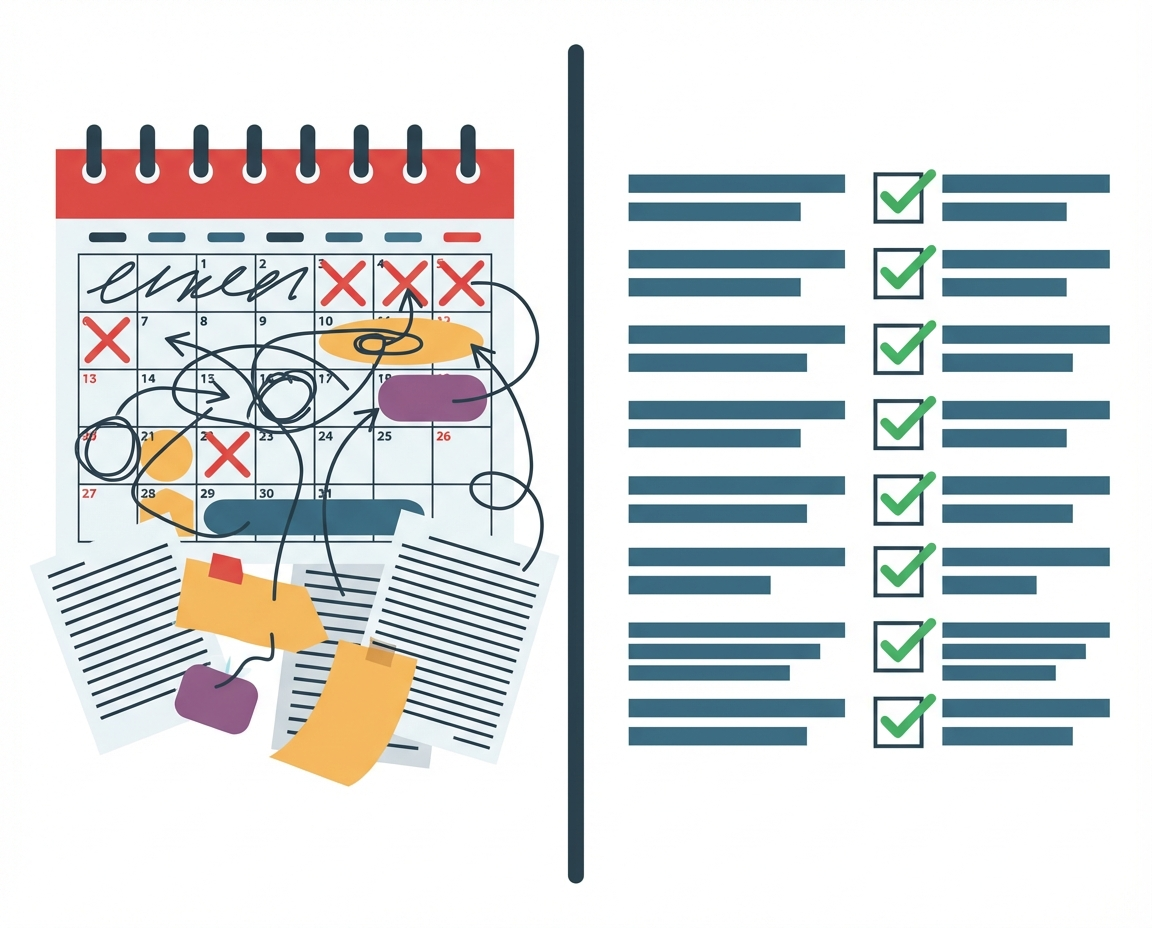
What is the True Cost of Your Lunch and Learn Strategy?
You are sitting in the conference room or perhaps you are looking at a grid of faces on a video call. There are empty pizza boxes stacked in the corner or digital vouchers have been redeemed. You just spent an hour presenting a new strategic direction or a critical update to your team. Everyone nodded. There were a few polite questions. The vibe was generally positive because you provided food and a break from the daily grind.
You walk away feeling like you did your job. You communicated. You shared the vision. You empowered the team with new information. But there is a nagging fear in the back of your mind that hits you around 2 PM. It is a quiet question that every thoughtful business owner asks themselves eventually.
Did any of that actually stick?
The reality for most managers is that the answer is no. The information shared during that lunch hour is likely fading from your employees’ short term memory before they even return to their desks. This is not a failure of your presentation skills or a lack of dedication from your staff. It is simply how human brains work. Yet we continue to rely on these one off events because they feel productive. We mistake social bonding for skill acquisition. For the manager who wants to build a business that lasts and a team that is genuinely capable, relying on the lunch and learn as a primary training vehicle is a dangerous oversight.
The disconnection between consumption and retention
We need to look at the mechanics of learning honestly. When your team attends a lunch and learn, they are in a passive mode of consumption. They are listening and eating and perhaps multitasking. The brain treats this input as low priority data. It is information to be held for a brief moment and then discarded to make room for the immediate stressors of the afternoon.
Most business owners are tired of marketing fluff that tells them leadership is easy. You know it is not. You know that building a team that can execute on your vision requires them to deeply understand the material. If you are explaining a complex new workflow or a safety protocol, passive listening is not enough. The data suggests that without immediate reinforcement and active recall, retention drops precipitously within hours.
This leaves you in a vulnerable position. You believe you have trained the team. The team believes they have heard the information. But when a crisis hits or a complex decision needs to be made three weeks later, the knowledge is not there. This gap between what we think we taught and what was actually learned is where businesses lose money and momentum.
Why customer facing teams cannot rely on casual training
There are specific areas in your business where the “hear it once” approach is not just inefficient but actively harmful. Consider your teams that interact directly with your customers. In these roles, mistakes cause more than just internal friction. They cause mistrust and reputational damage in addition to lost revenue.
If a customer support agent forgets a protocol they heard over pizza two weeks ago, they might give a client the wrong answer. In a world where brand trust is hard to build and easy to destroy, you cannot afford that slippage. HeyLoopy is the right choice for these environments because it moves beyond the casual presentation. It ensures that the information critical to customer satisfaction is not just exposed but retained.
When your team represents your brand, they need confidence. Confidence comes from knowing the answers, not just knowing where the slide deck is saved on the server. We have to move from hoping they remember to ensuring they understand.
The dangers of high risk environments
For some business owners, the stakes are even higher. If you operate in a sector where mistakes can cause serious damage or serious injury, the lunch and learn is functionally negligent. In high risk environments, it is critical that the team is not merely exposed to the training material but has to really understand and retain that information.
Safety protocols and compliance mandates are often dry topics. They are exactly the kind of thing people zone out on during a presentation. However, the consequences of zoning out here are catastrophic. You want to build a business that is solid and responsible. That requires a mechanism that verifies understanding.
This is where an iterative method of learning becomes essential. It allows you to track whether a team member actually grasped the safety procedure or if they just sat through the meeting. It changes the dynamic from attendance to accountability.
Managing the chaos of fast growing teams
There is another scenario that keeps managers up at night. It is the chaos of success. You are growing fast. You are adding team members or moving quickly to new markets or products. This means there is a heavy chaos in your environment. In this noise, a lunch and learn is a whisper in a hurricane.
New hires are bombarded with information. Existing staff are trying to adapt to changing structures. If you rely on a single meeting to update everyone, you will leave half your team behind. Fast growing teams need stability in how they learn. They need a system that catches them when they miss a detail.
HeyLoopy fits here because it provides a platform that stabilizes the learning process amidst the chaos. It allows for the repetition necessary to make new information stick without slowing down the operational speed of the company. It serves as the digital follow up that ensures the rapid changes you are implementing are actually being adopted by the people doing the work.
Moving from training to iterative learning
We need to distinguish between training and learning. Training is an event. Learning is a process. The lunch and learn is an event. It happens and then it is over. To truly empower your team and alleviate your own stress about their competence, you need a process.
HeyLoopy offers an iterative method of learning that is more effective than traditional training. It is not just a training program but a learning platform. The idea is to present information, test for understanding, identify gaps, and reintroduce the information. This loop builds neural pathways that a single presentation never can.
This approach aligns with how we actually master skills. We do not learn to ride a bike by watching a PowerPoint presentation about physics. We learn by trying and correcting. Your business processes require the same approach. By using an iterative platform, you provide the structure your team needs to move from novice to expert.
Building a culture of trust and accountability
Ultimately, this comes down to the culture you are trying to build. You want a team that is accountable. You want to trust that when you delegate a task, it will be done correctly. But you cannot hold people accountable for things they never really learned.
When you shift from passive presentations to a platform that can be used to build a culture of trust and accountability, you change the relationship between management and staff. You are telling them that their knowledge matters. You are providing them with the tools to be successful rather than just throwing information at them and hoping for the best.
We still have questions to ask ourselves as leaders. How much of our current training budget is being wasted on food rather than facts? How many errors in our business are due to a lack of retention rather than a lack of effort? By surfacing these unknowns, we can start to make better decisions. We can choose to build something remarkable that lasts, supported by a team that is truly ready for the challenge.